15 Best Agency Websites For Design Inspiration In 2026
A curated collection of agency websites that turn their own digital presence into a showcase of creativity, strategy, and design.

15 best agency websites for design inspiration in 2026
An agency website has a difficult job.
It needs to explain what the agency does, communicate its point of view, showcase its best work, build trust, and ultimately convince someone to get in touch.
But unlike most businesses, agencies are also selling creative ability. Their own website is often the first piece of work a potential client sees.
That makes agency websites particularly interesting to study.
The strongest examples don't simply display a portfolio. They use typography, interaction, storytelling, art direction, and motion to demonstrate how the team thinks. Recent agency website roundups show the same pattern: the strongest sites tend to combine clear positioning with selective case studies, distinctive visual identities, and a straightforward path toward contact.
We've curated 15 agency websites worth exploring in 2026, focusing on the ideas and details that make each one stand out.
What makes a great agency website?
There isn't a single formula.
Some agencies go bold with experimental layouts and immersive interactions. Others take a quieter editorial approach and let their work do the talking.
But the best agency websites usually get a few things right:
A clear point of view
Strong visual identity
Selective, high-quality work
Thoughtful typography
Interesting interactions
Clear positioning
A simple path to contact
Here are 15 agency websites worth exploring.
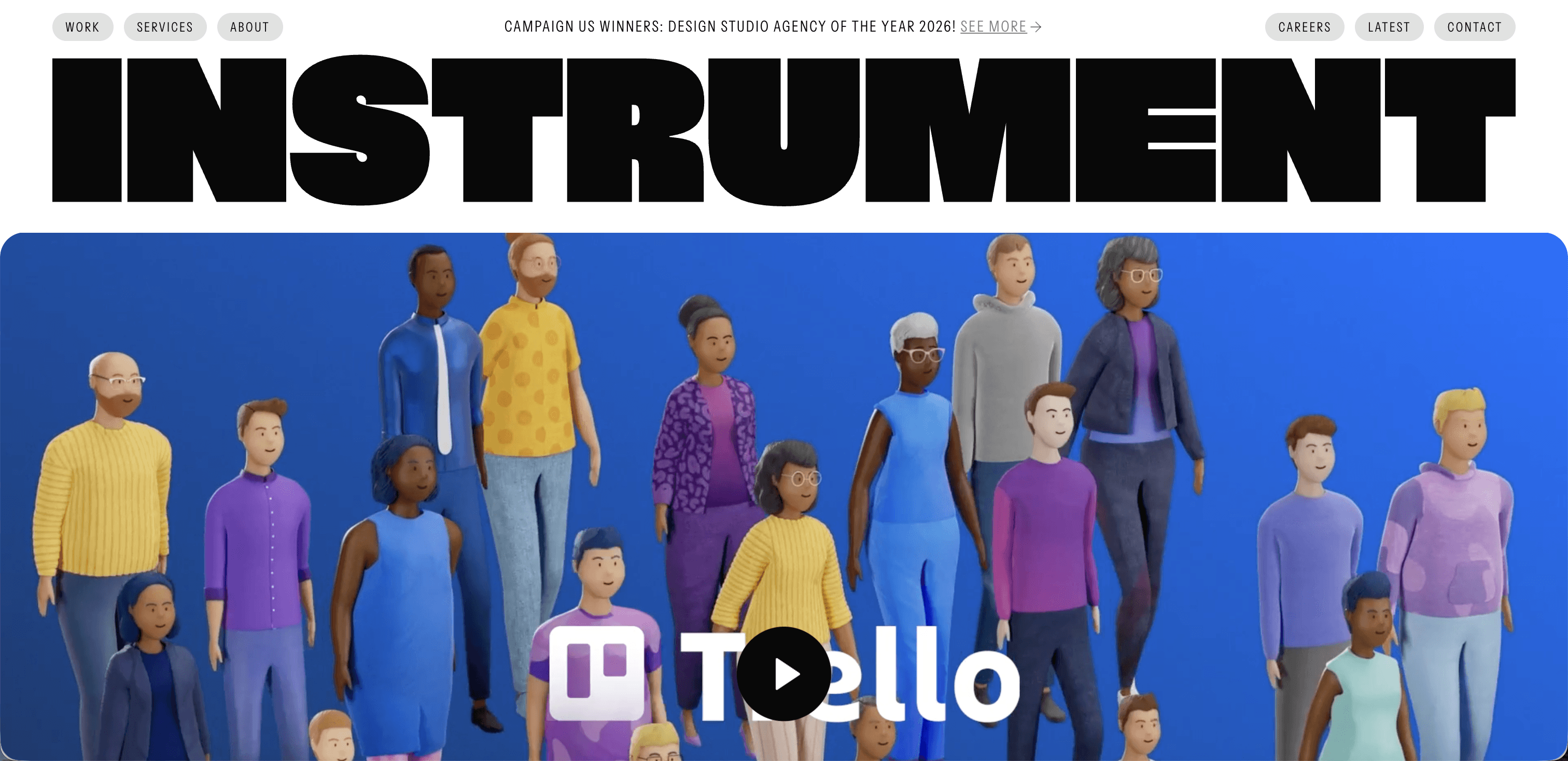
1. Instrument
Instrument has long been a strong reference for modern digital agency websites.
The work takes center stage, while the surrounding experience gives the agency a confident and contemporary personality.
What to take away:
Let your work become the primary storytelling device rather than hiding it behind layers of navigation.
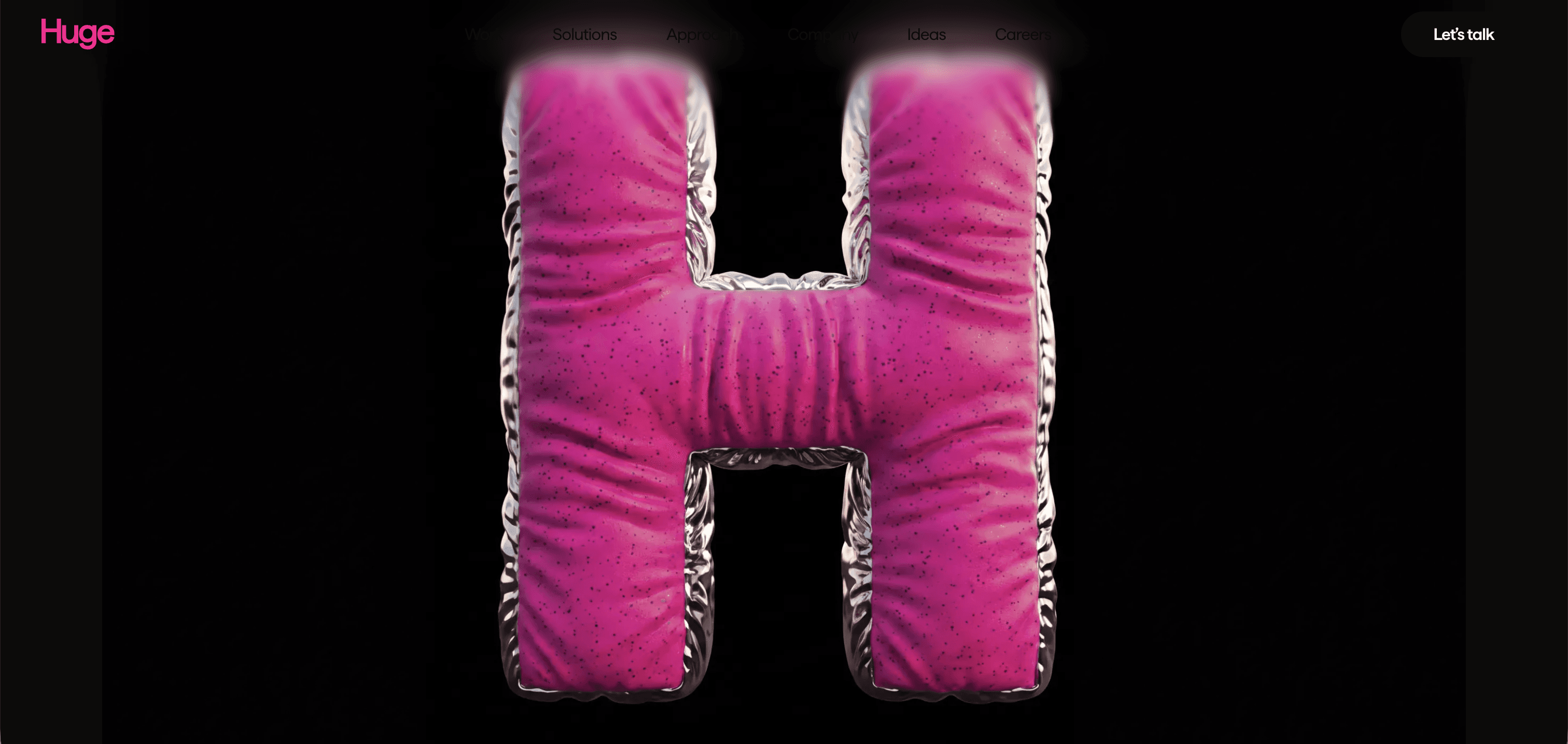
2. Huge
Huge takes a more editorial approach to agency positioning.
Rather than immediately presenting a long list of services, the experience puts the agency's perspective and creative work at the forefront.
What to take away:
A strong point of view can be more memorable than a long services list.
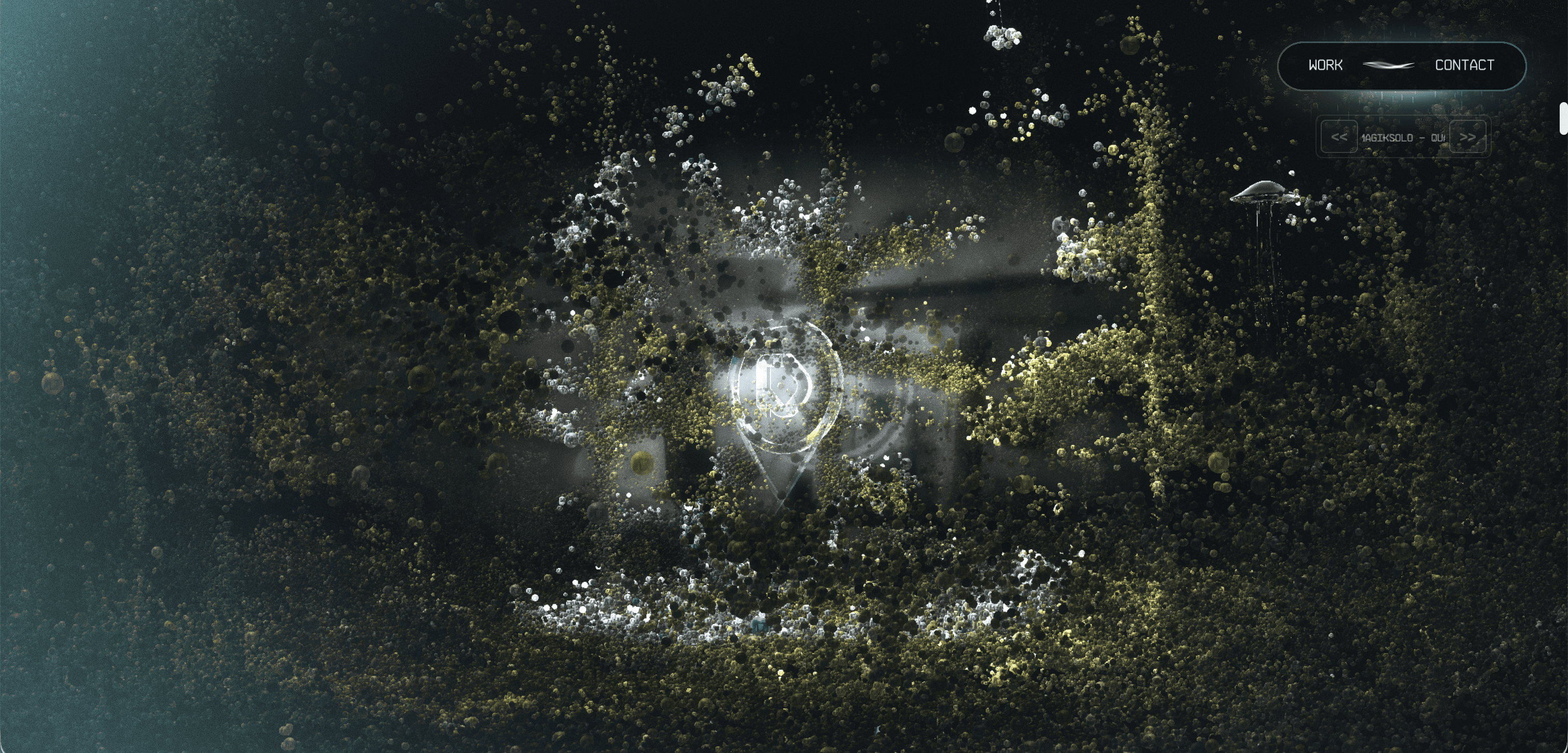
3. Active Theory
Active Theory is an excellent reference for immersive digital experiences.
The studio is particularly interesting for anyone exploring WebGL, 3D, motion, and interactive storytelling while still maintaining a usable website structure.
What to take away:
Experimentation works best when the interaction feels connected to the story rather than added simply for spectacle.
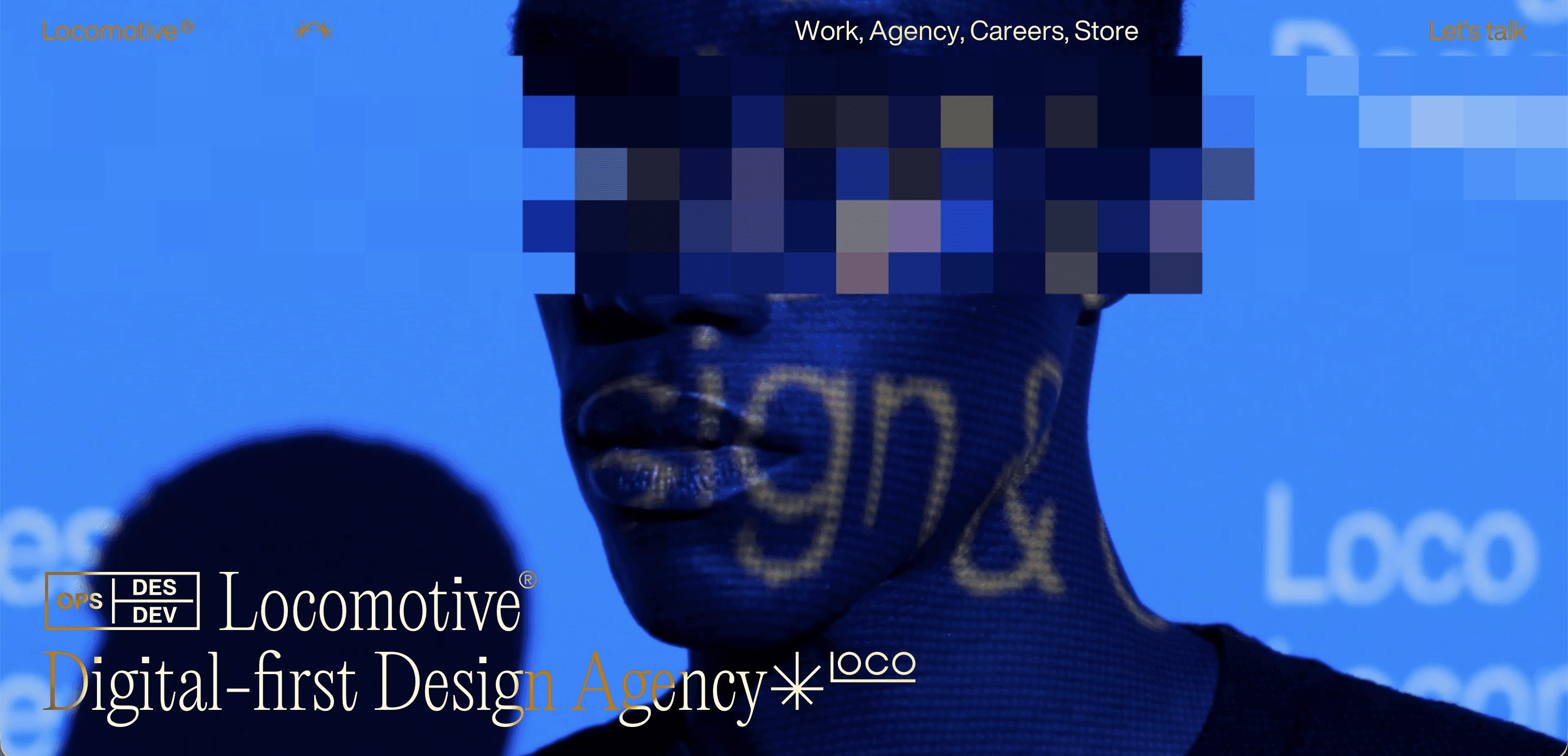
4. Locomotive
Locomotive has consistently pushed creative web experiences while maintaining a recognizable agency identity.
Its work is a useful reference for studying motion, typography, transitions, and unconventional navigation.
What to take away:
Your website can be experimental without sacrificing a clear sense of direction.
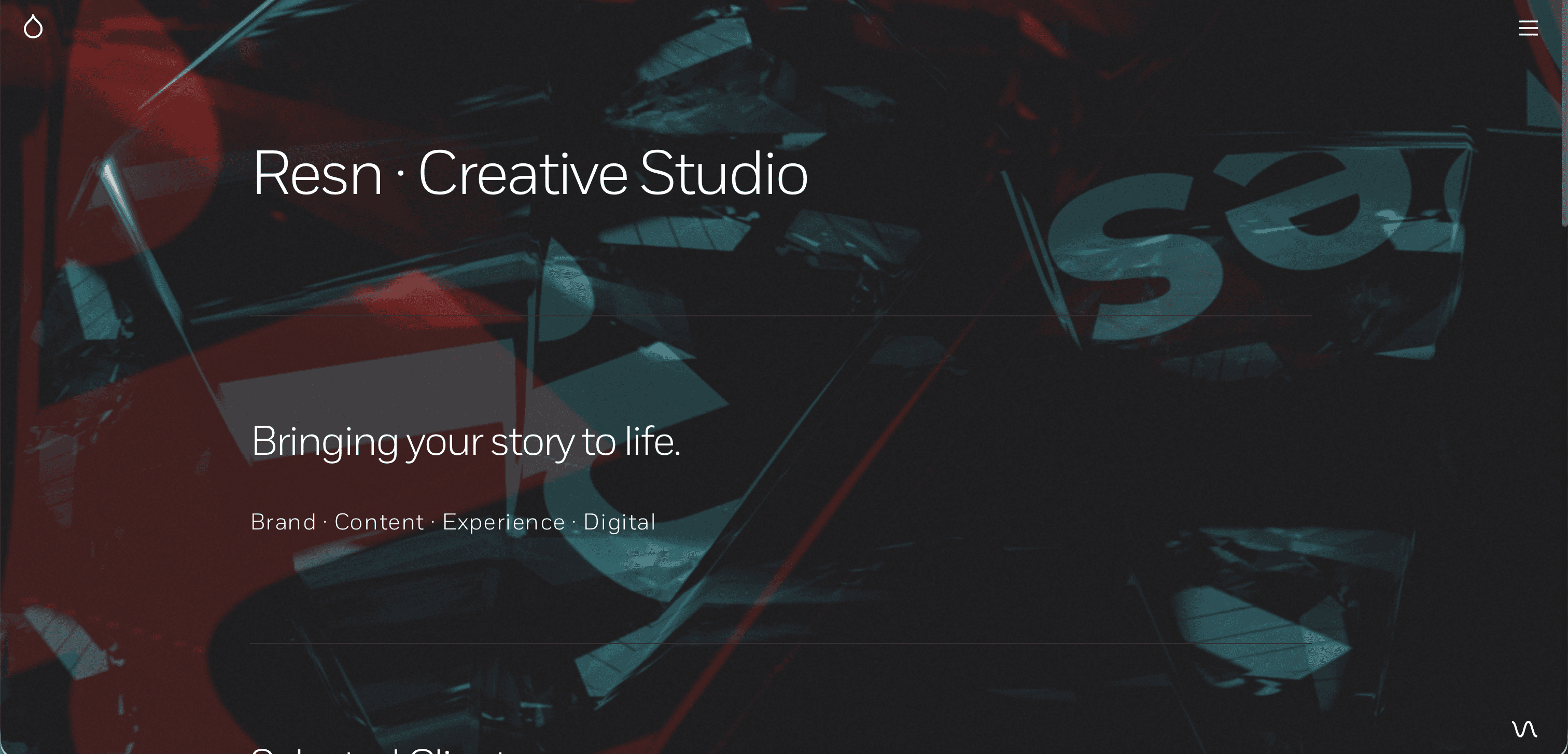
5. Resn
Resn is known for creating highly interactive digital experiences.
Its website and portfolio demonstrate how animation and technology can become part of an agency's creative language.
What to take away:
If interaction is part of what you sell, your own website should demonstrate it.
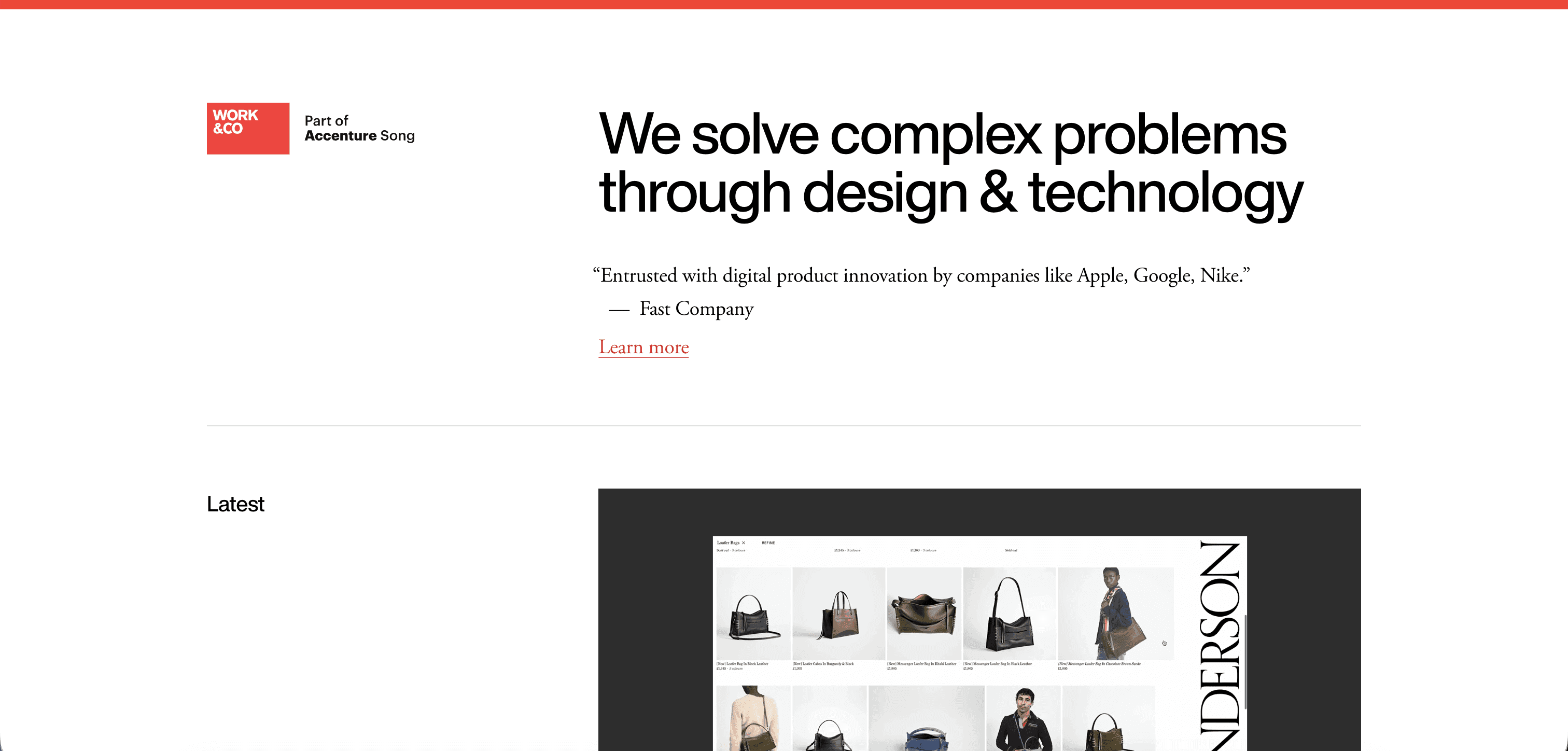
6. Work & Co
Work & Co takes a more product-focused approach.
The website puts digital products and client work at the center, creating an experience that feels closer to a product portfolio than a traditional agency website.
What to take away:
Show the quality of the thing you create, not just the services you provide.
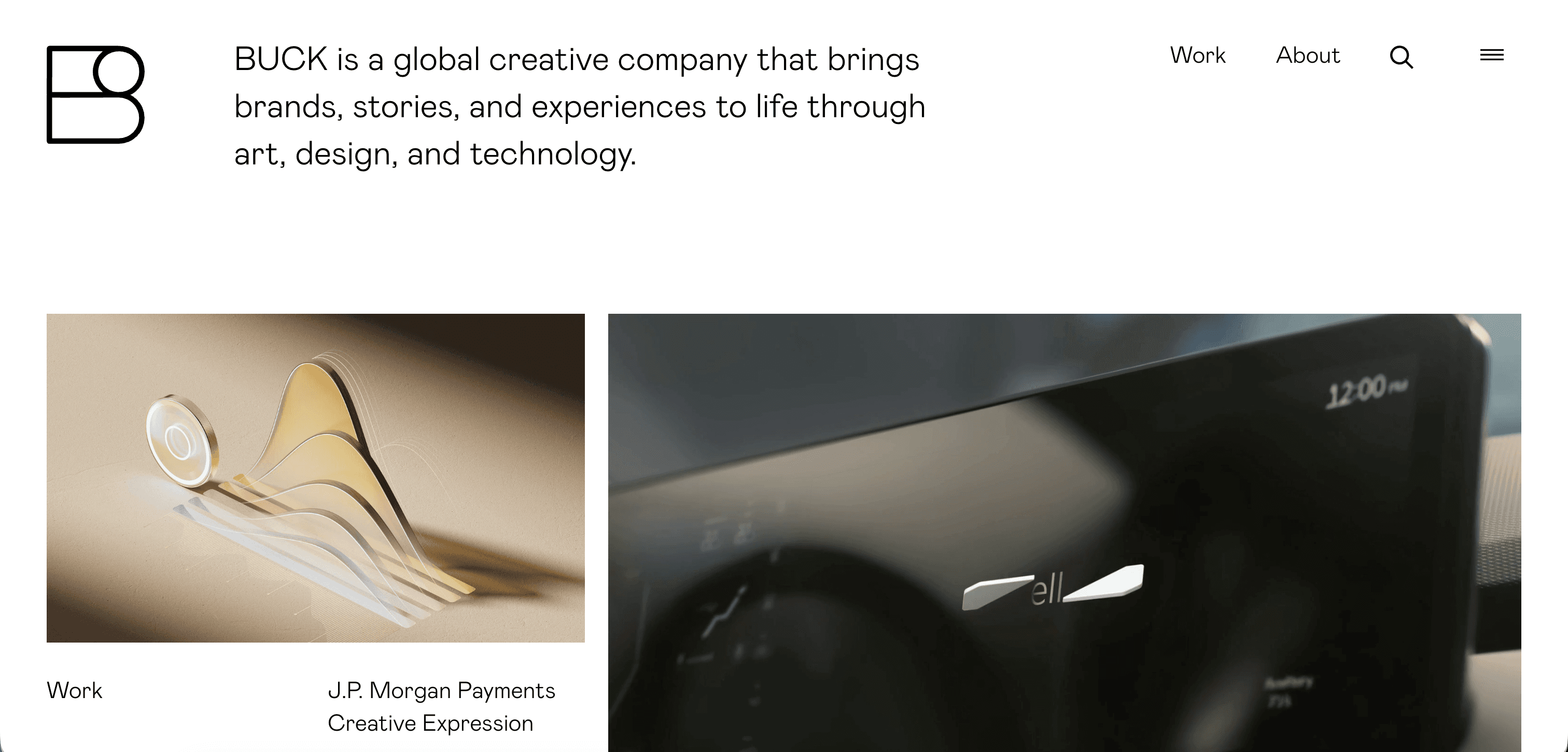
7. Buck
Buck combines design, animation, illustration, and storytelling into a highly recognizable creative identity.
The work feels playful and expressive while still communicating a serious level of craft.
What to take away:
A distinctive visual language can make an agency immediately recognizable.
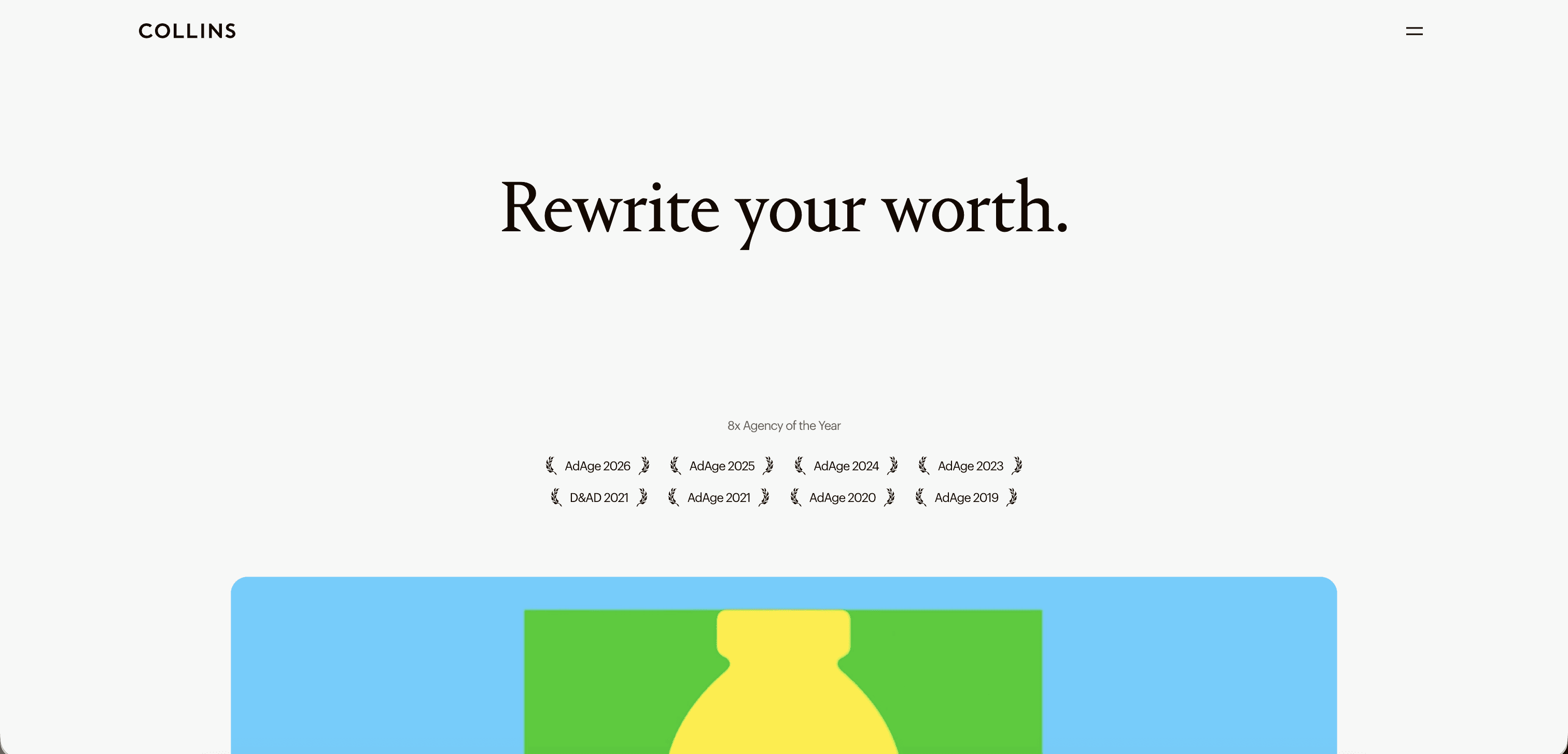
8. COLLINS
COLLINS approaches its website more like an editorial brand publication.
The work is presented alongside strong typography, writing, and visual storytelling, making the portfolio feel more like a collection of ideas than a gallery.
What to take away:
Don't just show what you made. Explain the thinking behind it.
9. Fantasy
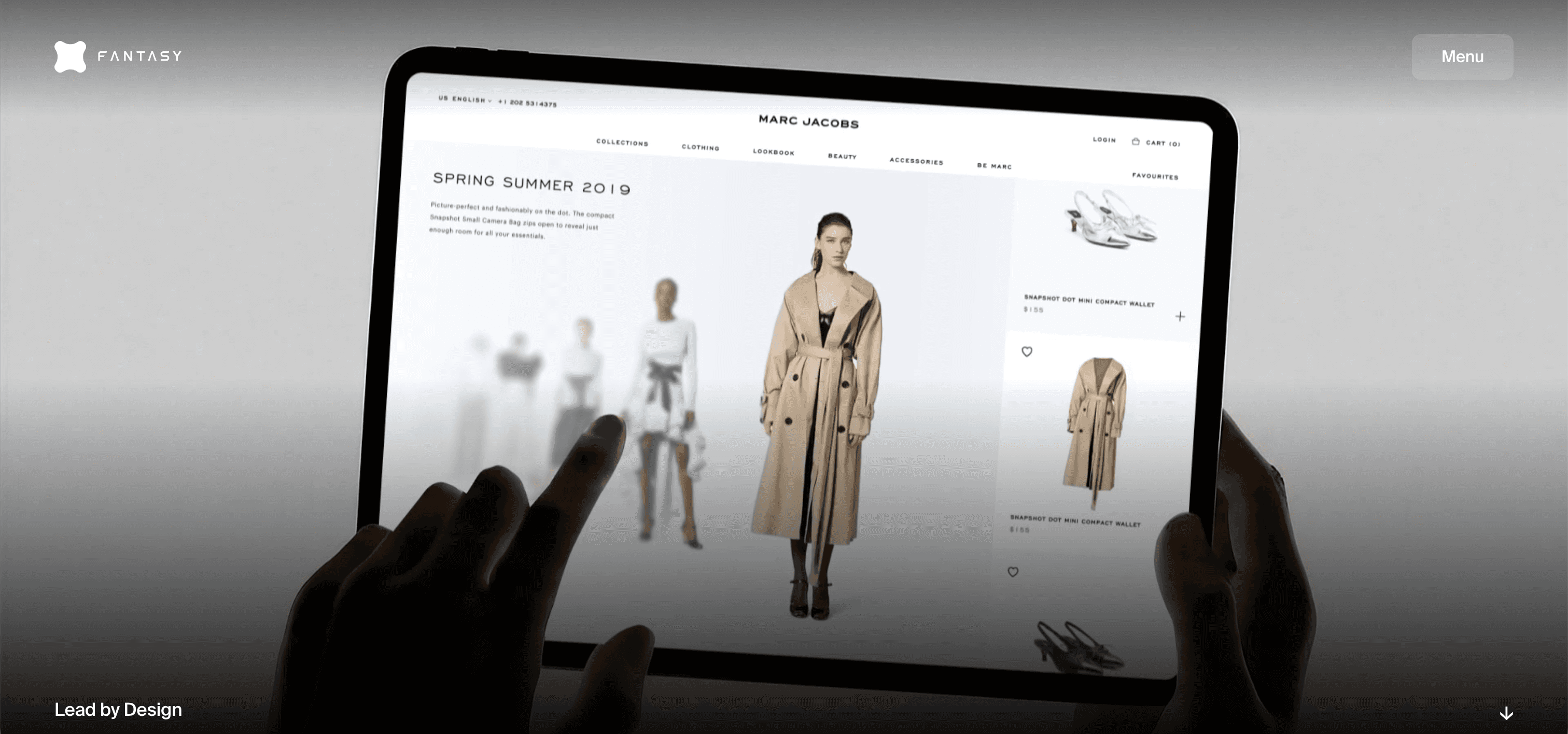
Fantasy's website is a strong example of product and experience design being used as the agency's primary proof.
The presentation focuses heavily on digital products, interfaces, and the quality of the work itself.
What to take away:
For a product design studio, the product should be the hero.
10. Studio Dumbar
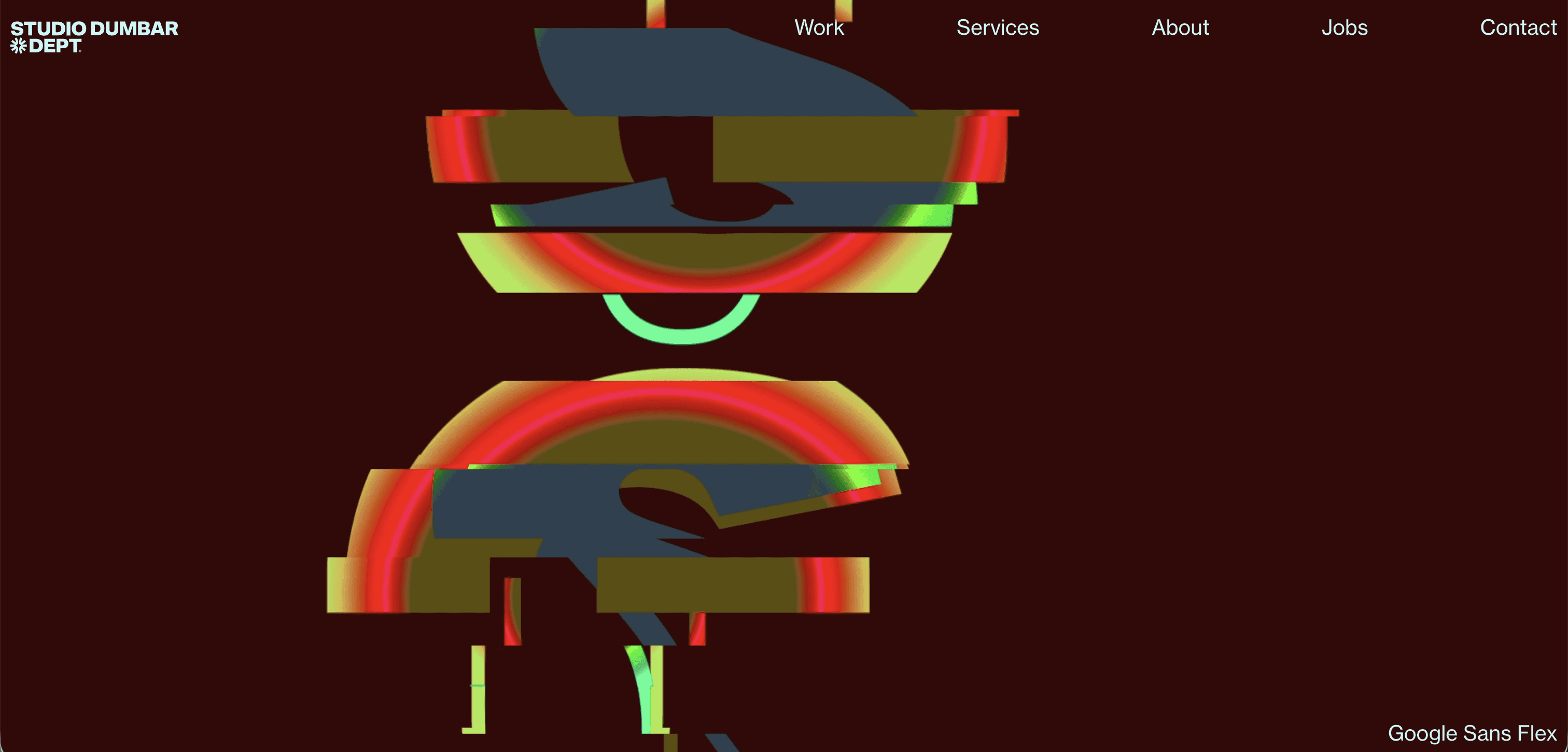
Studio Dumbar is a useful reference for agencies working across branding, motion, and digital design.
Its work demonstrates how a strong identity can extend across different mediums without losing consistency.
What to take away:
Build a visual system that can evolve across projects rather than relying on one visual trick.
11. Basic/Department
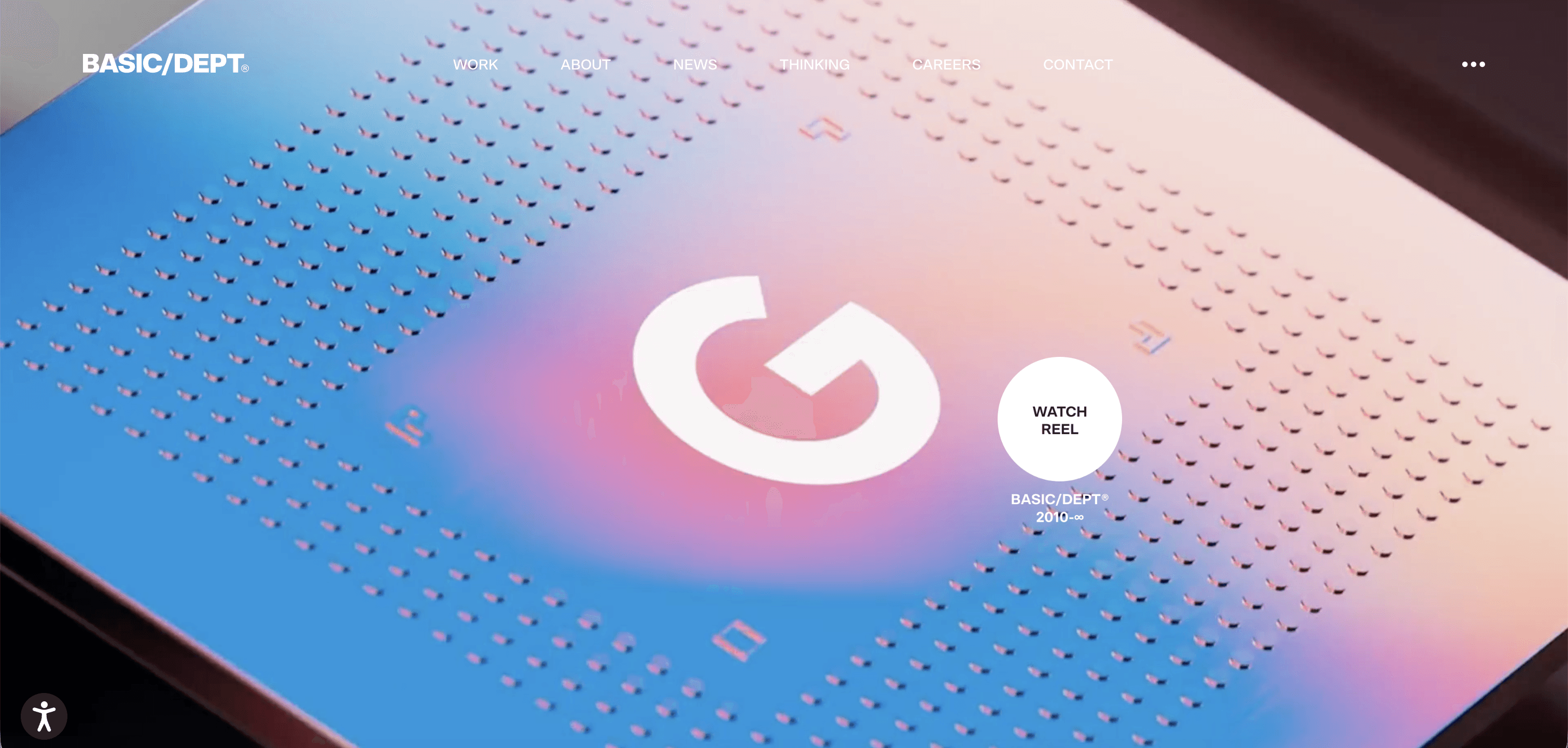
Basic/Department demonstrates how a contemporary agency can combine brand strategy, digital design, and technology within a cohesive identity.
The work feels polished without becoming overly corporate.
What to take away:
A modern agency website should make the relationship between strategy, design, and technology easy to understand.
12. Pentagram
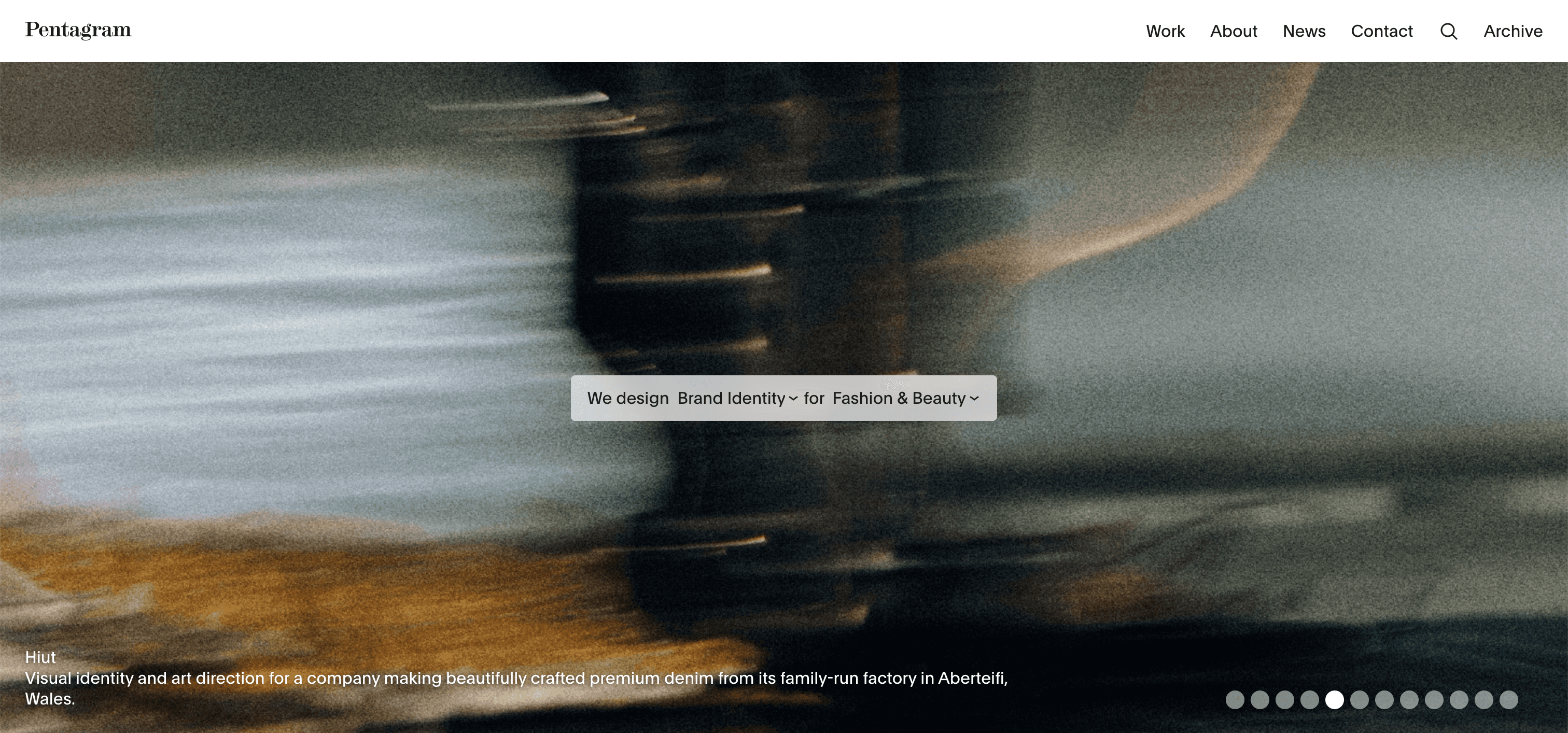
Pentagram takes a fundamentally different approach.
Instead of building everything around one studio personality, its website puts the work and individual partners at the center.
What to take away:
Your portfolio structure should reflect how your agency actually works.
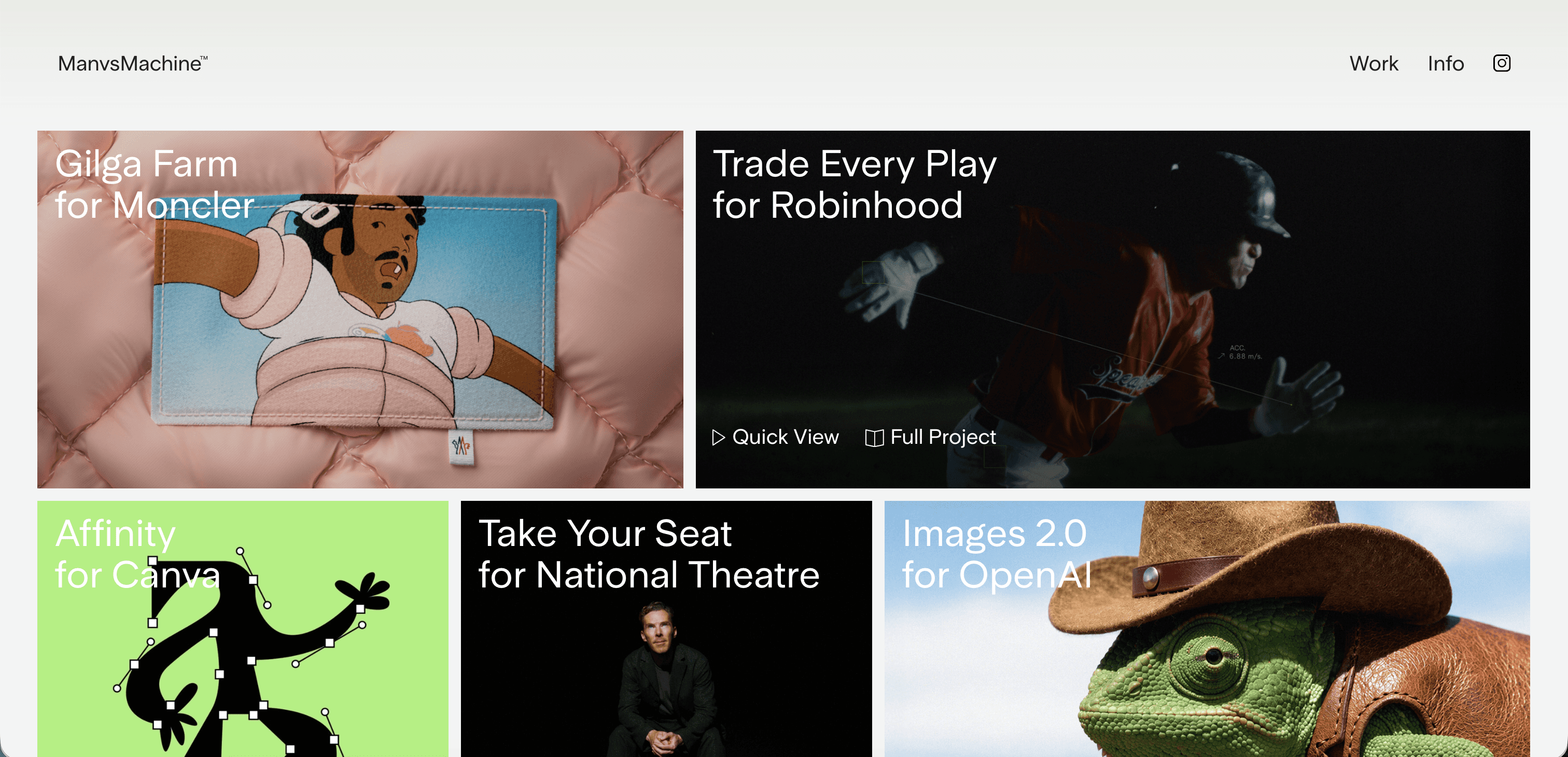
13. ManvsMachine
ManvsMachine is a great reference for studios working at the intersection of design, motion, 3D, and visual experimentation.
The work itself carries much of the storytelling.
What to take away:
When your work is visually powerful, don't over-design the interface around it.
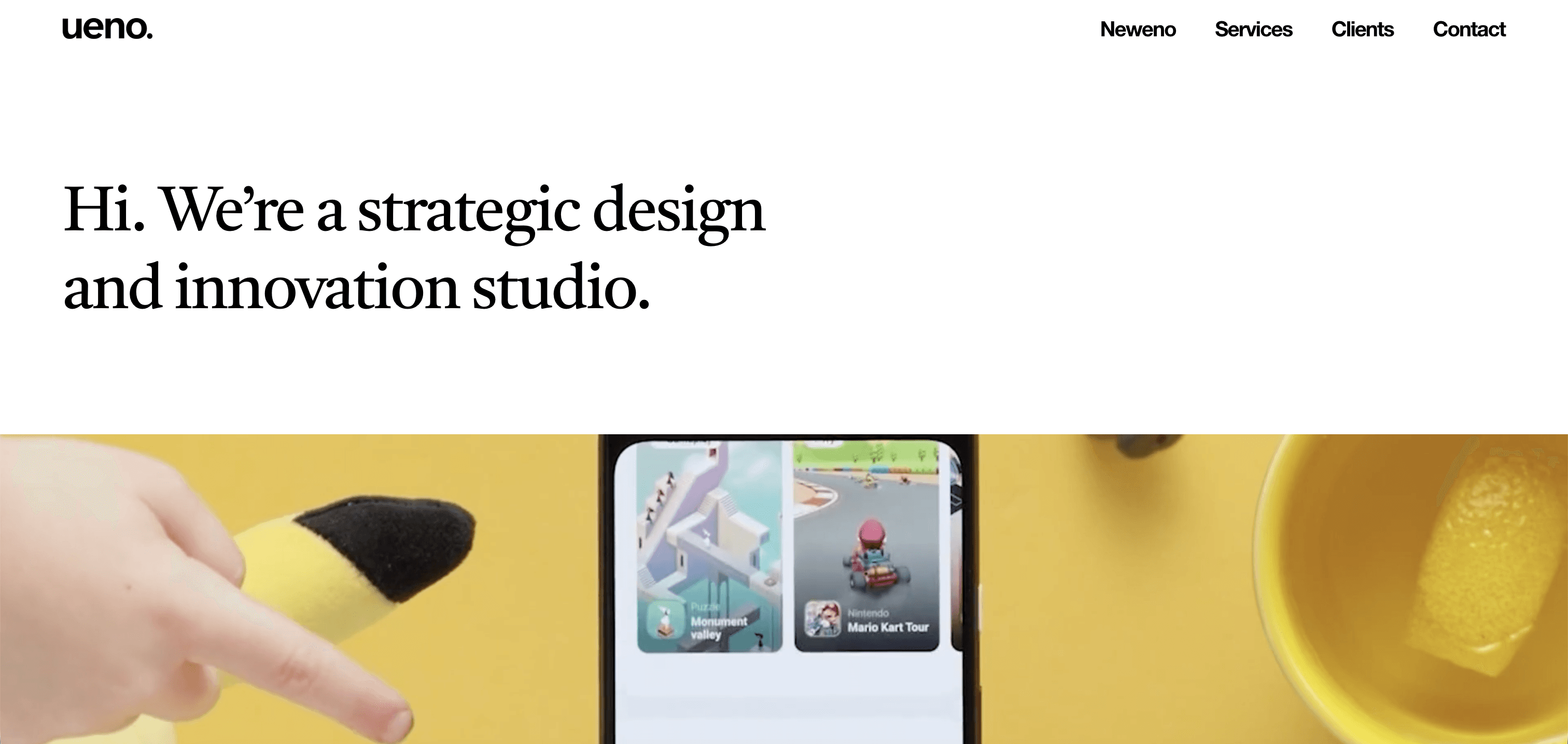
14. Ueno
Ueno demonstrates how a digital agency can balance strong visual design with a straightforward portfolio experience.
The focus stays on the work while the broader brand creates a distinct sense of personality.
What to take away:
A portfolio doesn't need to be complicated to feel premium.
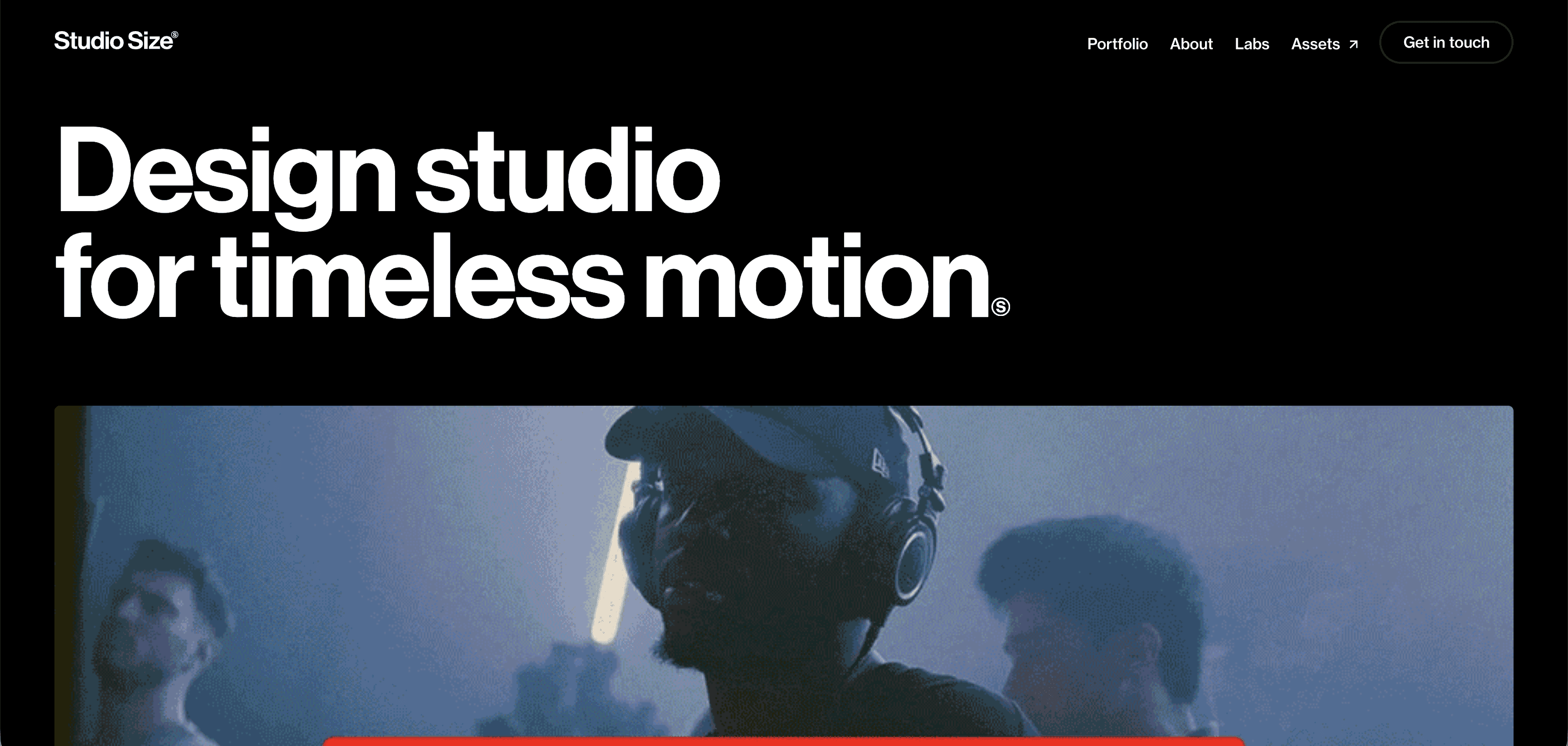
15. Studio Size
Studio Size is a strong example of an independent studio using typography, motion, and carefully selected work to create a memorable digital presence.
It demonstrates how smaller teams can create an experience that feels as considered as much larger agencies.
What to take away:
You don't need a huge portfolio. A small collection of excellent work can be more convincing.


