15 Best AI Websites For Design Inspiration In 2026
A curated collection of AI websites that stand out through distinctive design, clear storytelling, and memorable digital experiences.

15 best AI websites for design inspiration in 2026
AI has quickly become one of the most competitive categories on the web.
With thousands of new AI products launching every year, having a great product is no longer enough. The best AI companies are also investing heavily in how they present their products, explain complex technology, and build memorable brands.
The result is a new generation of websites that experiment with typography, motion, 3D, illustration, product interfaces, and unconventional storytelling.
We've curated 15 AI websites worth exploring in 2026, focusing on the ideas that make them stand out.
Whether you're designing an AI startup website, launching a new product, or simply looking for fresh web design inspiration, these are worth a visit.
What makes a great AI website?
AI products can be difficult to explain.
The technology behind them can be incredibly complex, while the visitor often just wants to know one thing:
What can this do for me?
The strongest AI websites solve that problem through:
Clear and concise positioning
Strong product demonstrations
Distinctive visual identities
Interesting interaction and motion
Simple explanations of complex technology
Strong examples and use cases
Clear calls to action
Here are 15 AI websites doing it particularly well.
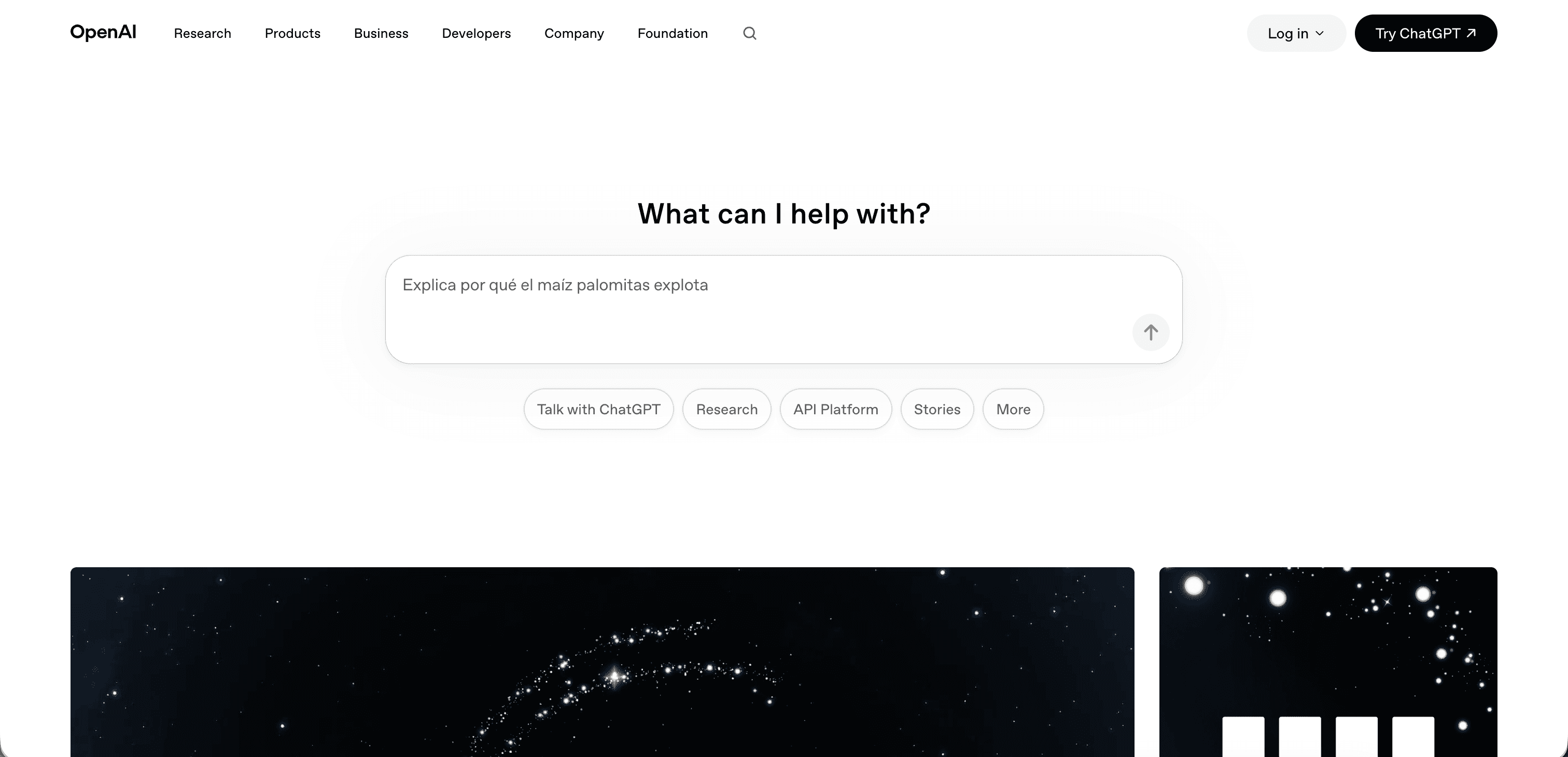
1. OpenAI
OpenAI's website has evolved into a broad platform for communicating products, research, and the wider possibilities of AI.
Its design focuses on clarity and hierarchy, allowing a large amount of information to coexist without feeling overwhelming.
What to take away:
Complex technology can still have a simple and approachable presentation.
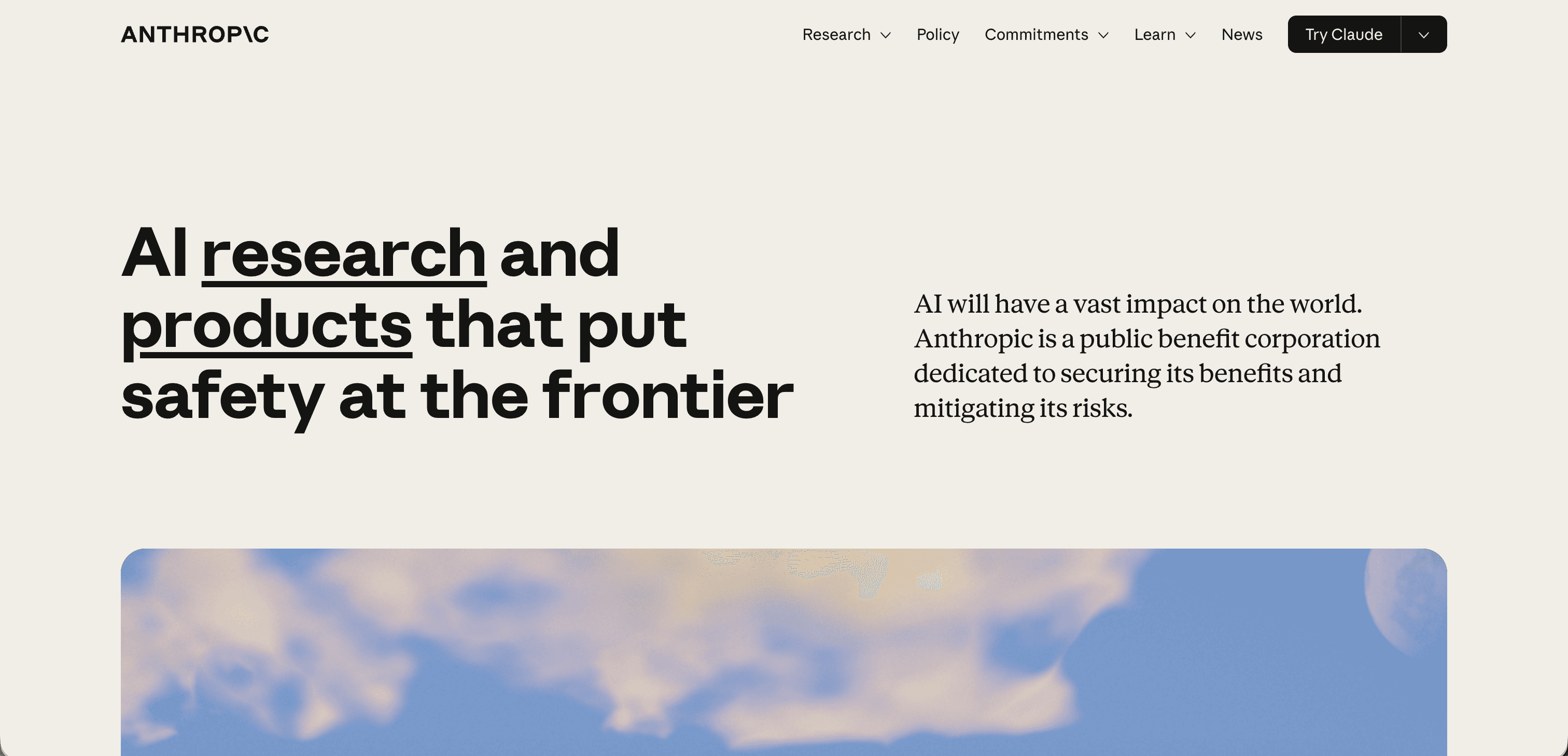
2. Anthropic
Anthropic takes a calm and thoughtful approach to communicating AI.
Its website avoids relying entirely on futuristic visual language and instead focuses on clarity, trust, research, and the broader implications of its technology.
What to take away:
AI doesn't always need to look futuristic. A confident, restrained visual identity can feel more credible.
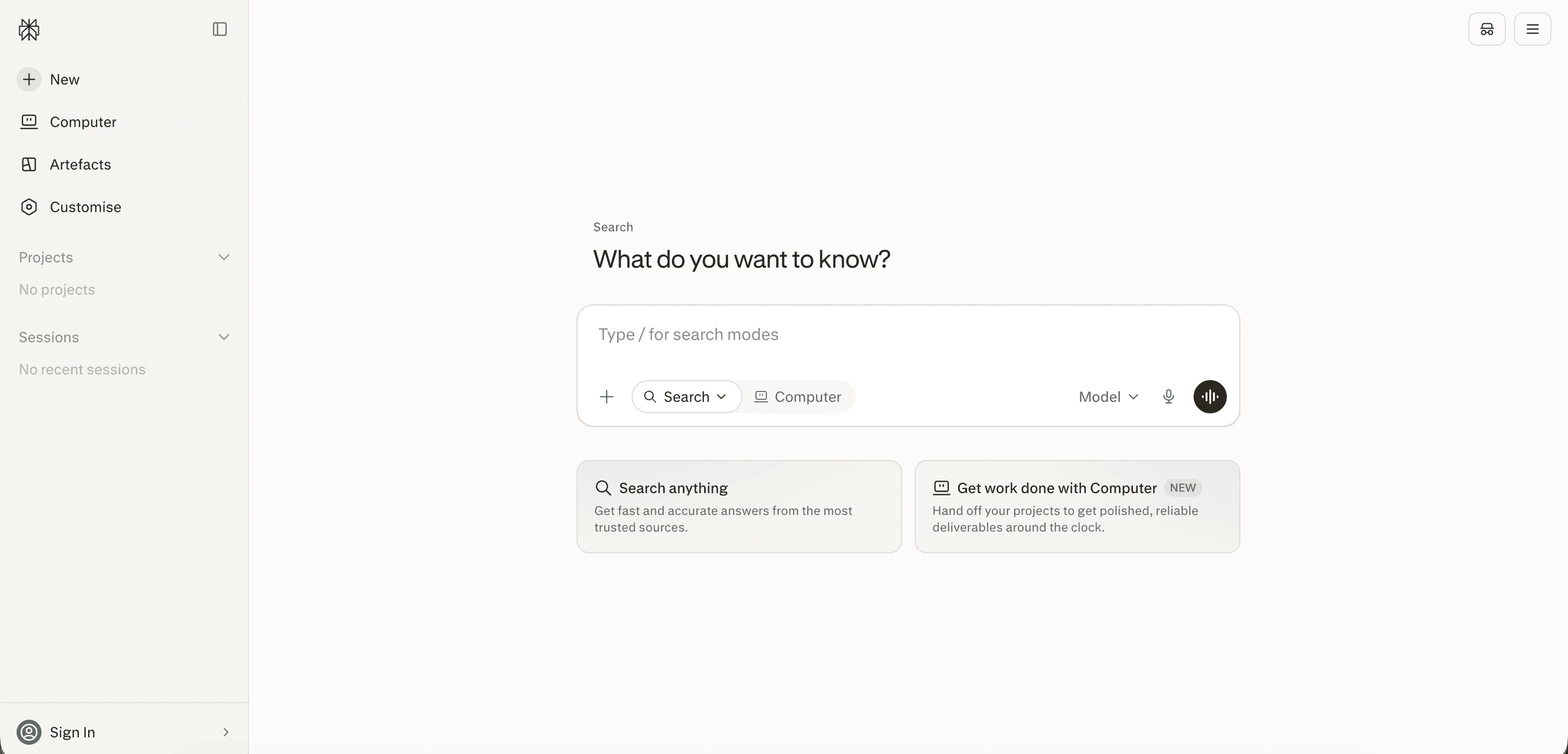
3. Perplexity
Perplexity makes its core experience immediately understandable.
The website puts search and answers at the center of the experience while using a relatively restrained interface to communicate the product.
What to take away:
When your product has one defining interaction, make that interaction impossible to miss.
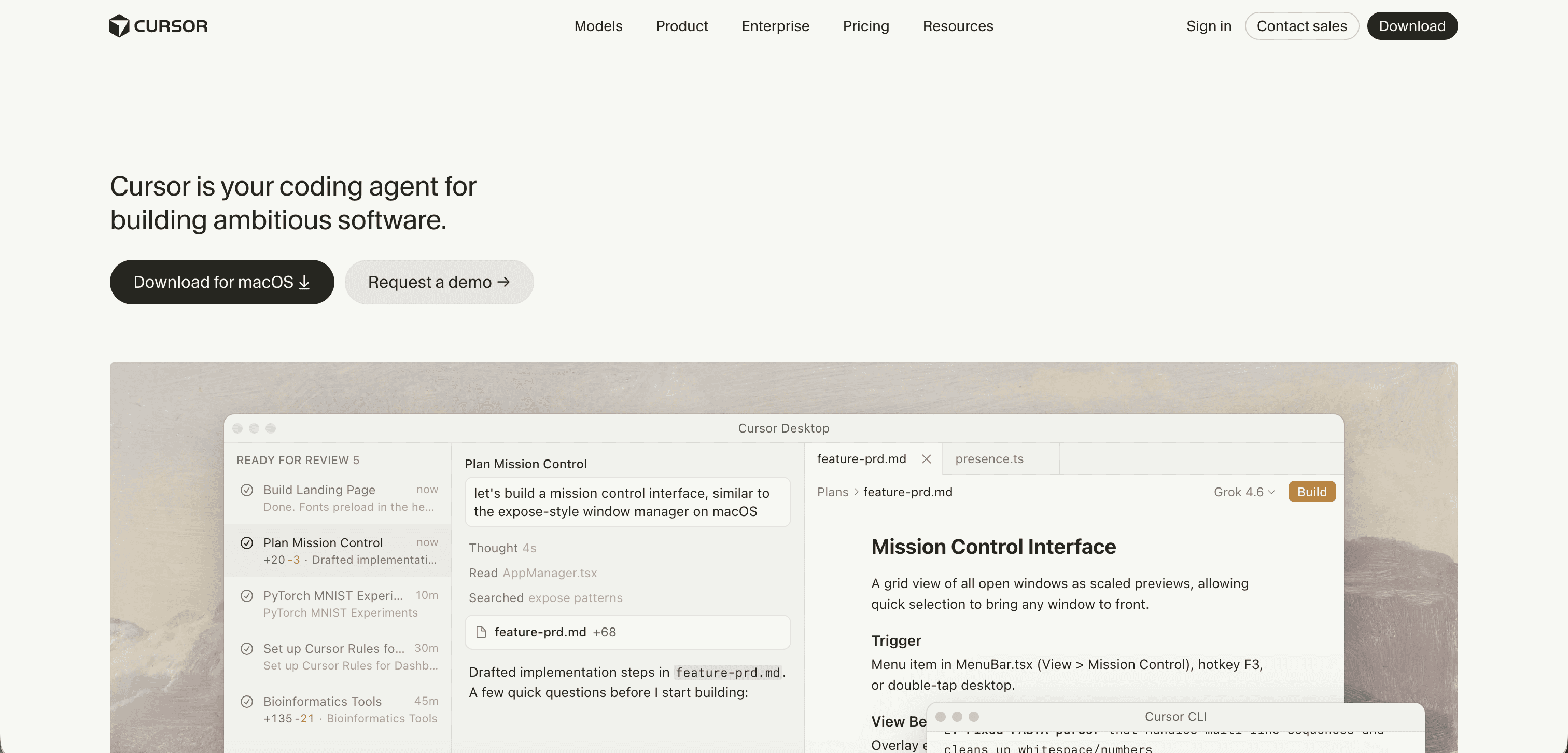
4. Cursor
Cursor has built a strong identity around AI-powered software development.
Its website combines technical visuals, product demonstrations, and concise messaging to make an advanced developer tool feel accessible.
What to take away:
Show the product in context rather than relying solely on abstract AI imagery.
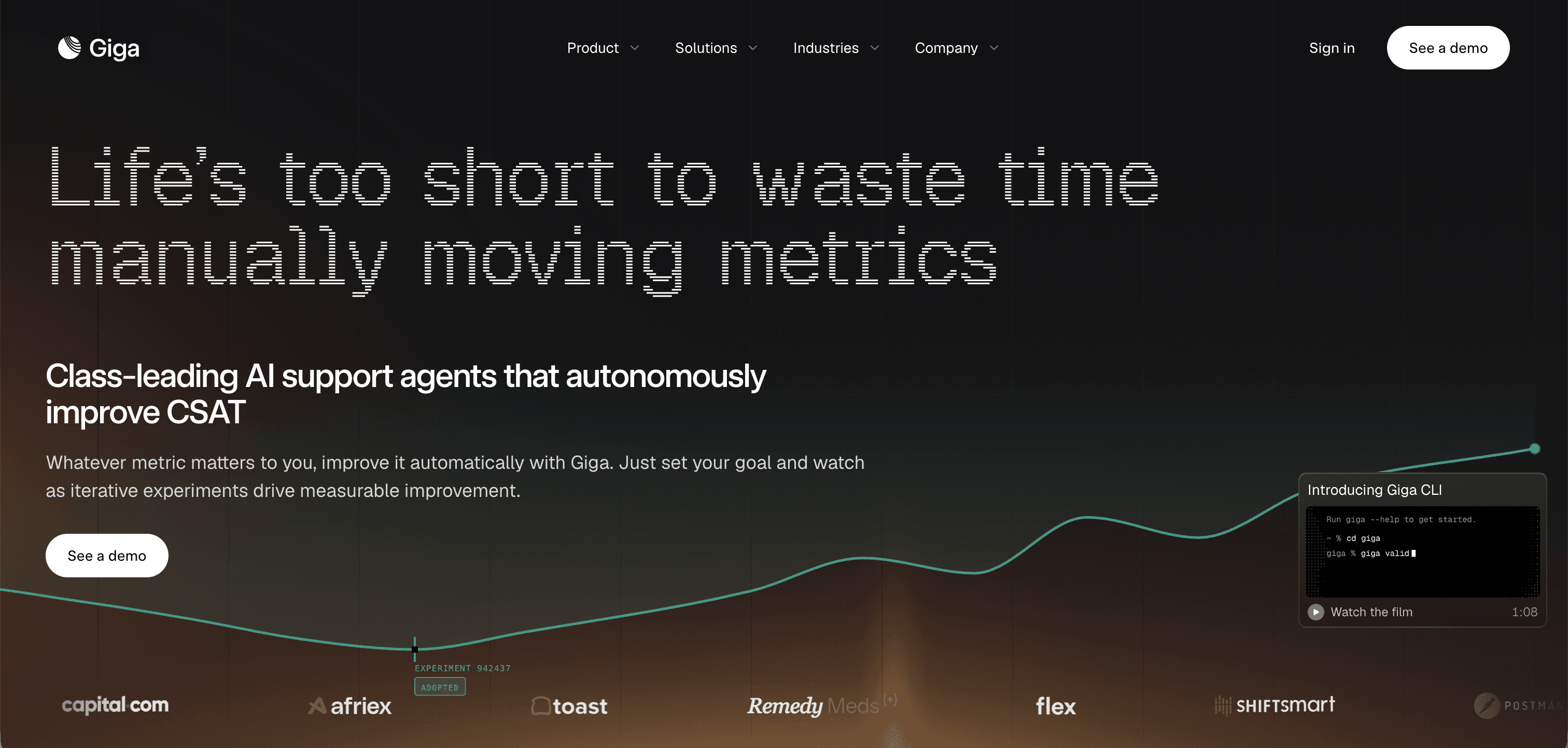
5. Giga
Giga's website presents AI-powered customer support through a clear product story and strong visual direction.
Rather than treating AI as the entire message, the website focuses on what the technology actually enables.
What to take away:
Sell the outcome, not just the technology behind it.
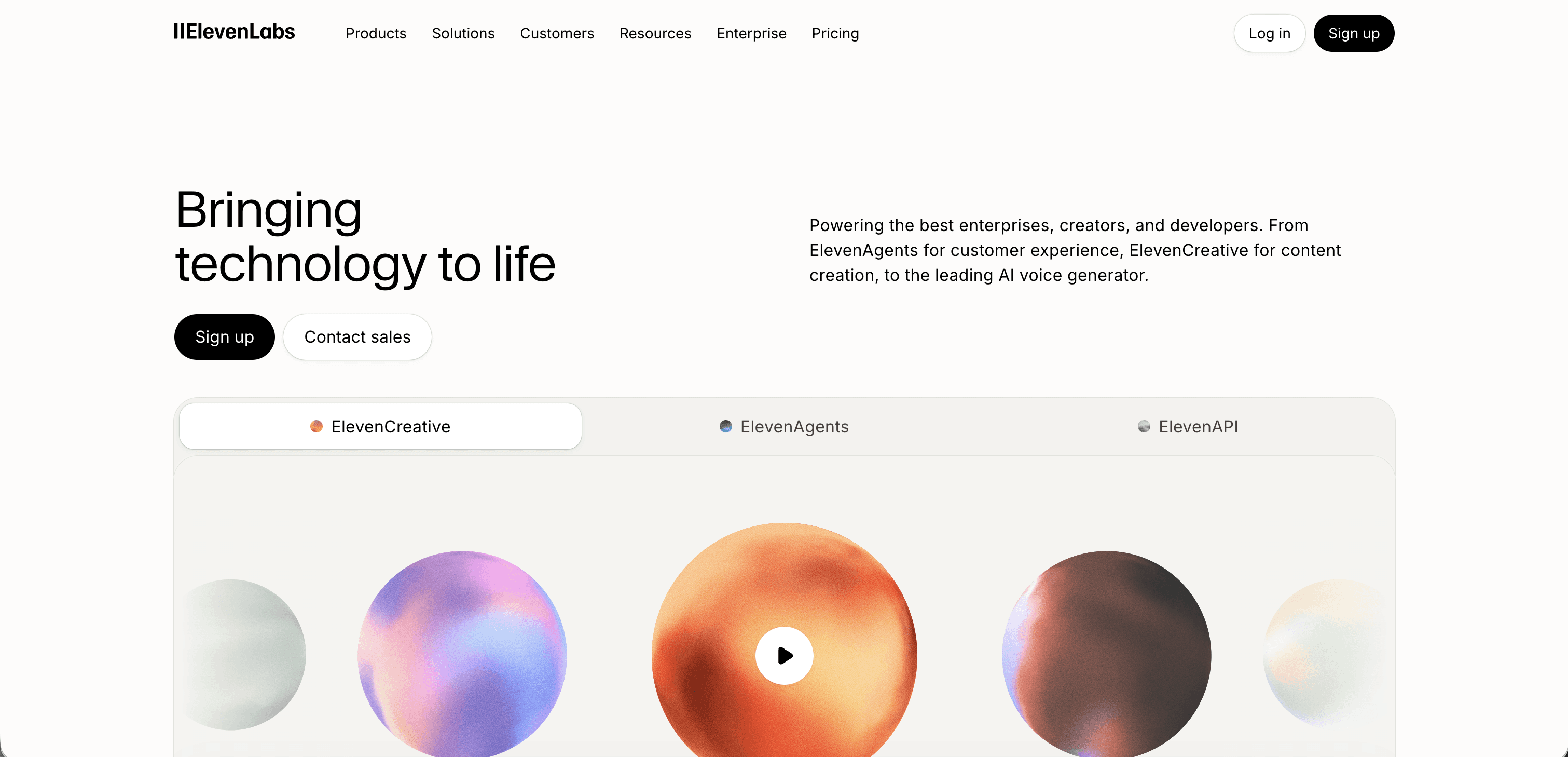
6. ElevenLabs
ElevenLabs uses its website to demonstrate the possibilities of generative audio.
The experience makes the technology feel tangible by focusing on what users can create rather than simply explaining how the technology works.
What to take away:
If your AI product creates something, let visitors experience the output as early as possible.
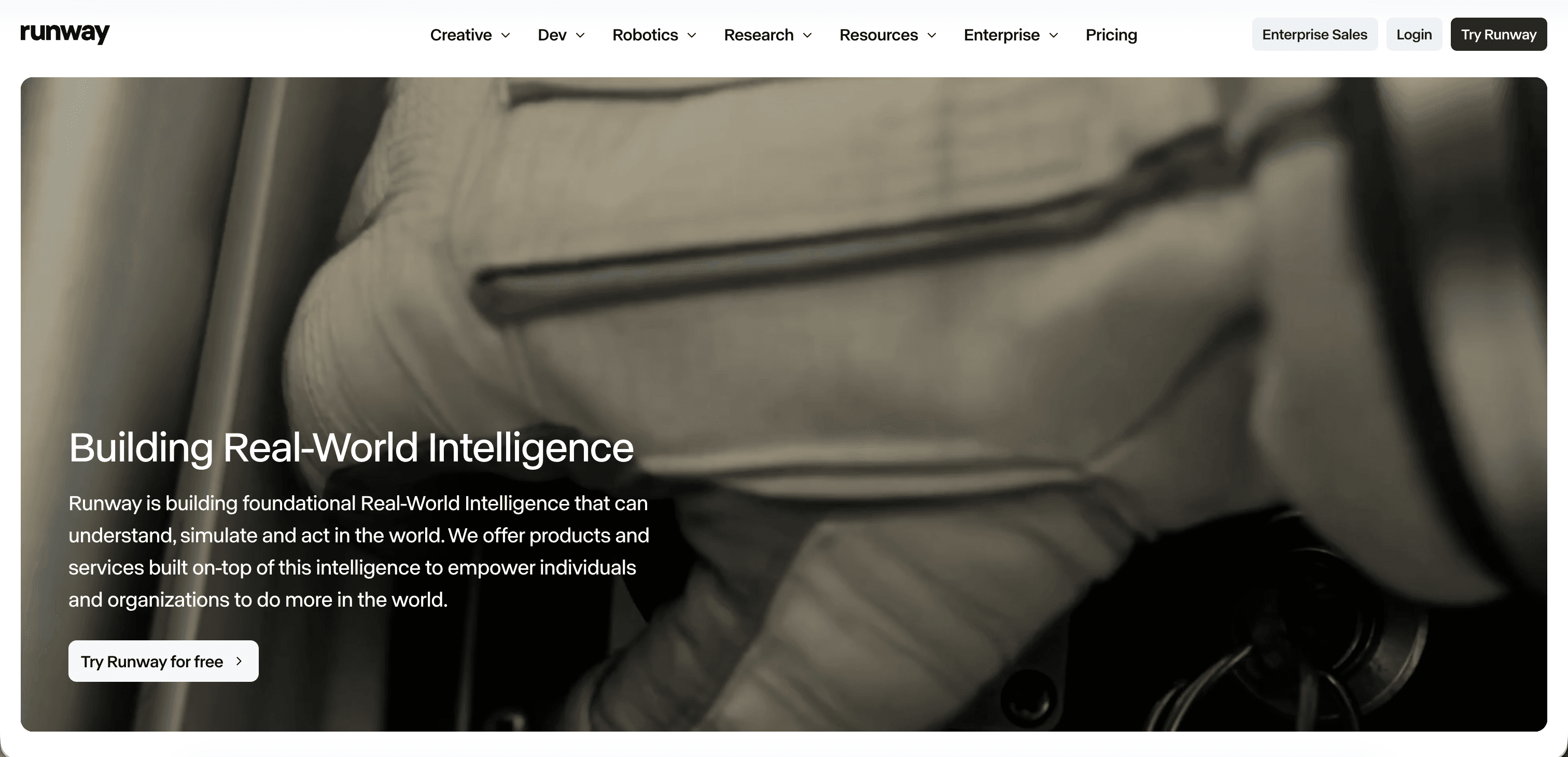
7. Runway
Runway has positioned itself at the intersection of AI and creative technology.
Its visual language feels cinematic and experimental, reflecting the type of content its platform enables.
What to take away:
Your visual identity should reflect the creative possibilities of your product.
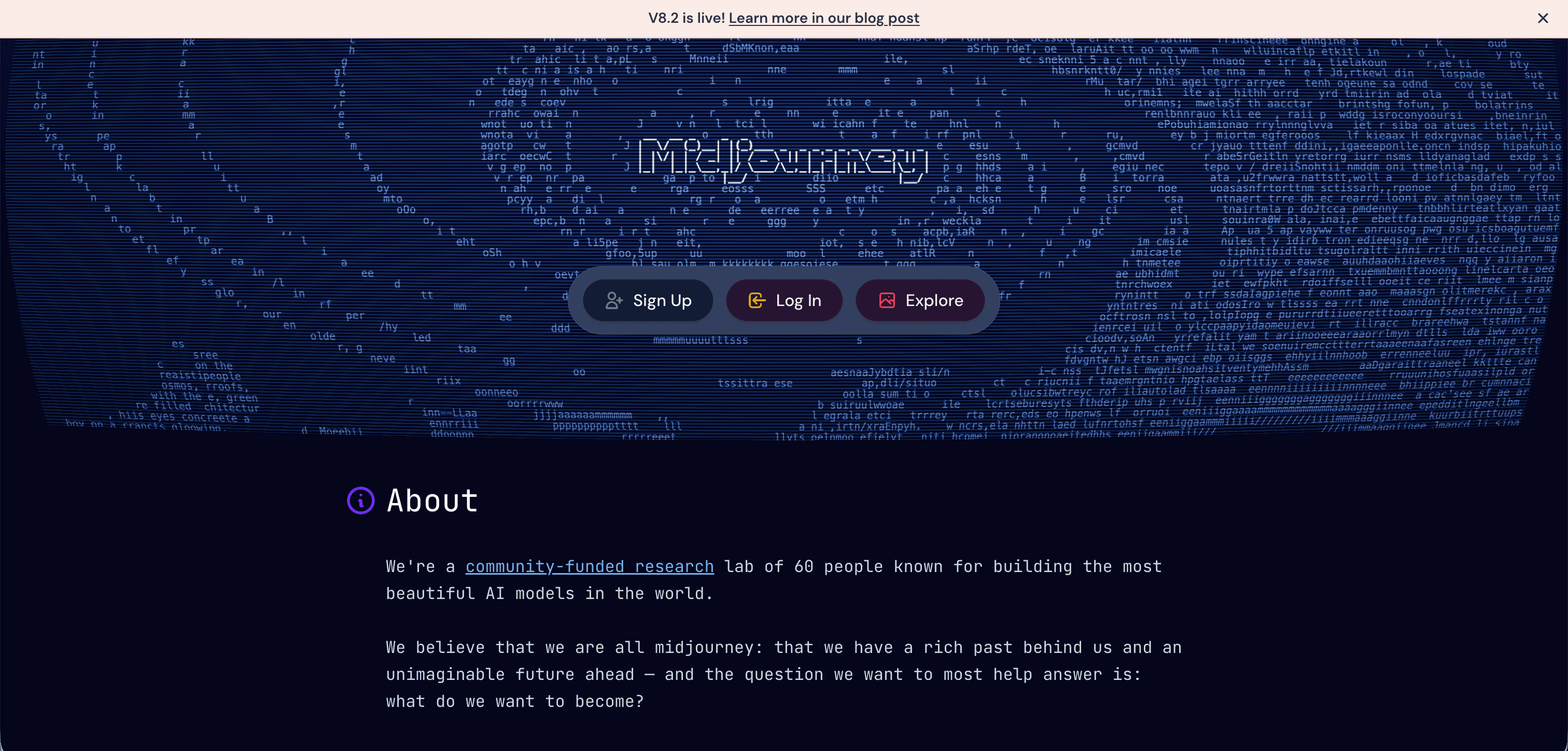
8. Midjourney
Midjourney's visual identity is naturally driven by the imagery created by its users.
The website demonstrates the product's capabilities through visual work rather than relying heavily on conventional SaaS marketing patterns.
What to take away:
When your users create beautiful things, let their work become your marketing.
9. Perplexity Labs
AI products increasingly need to communicate more than one feature.
Perplexity's broader product experience shows how research, search, and AI-assisted workflows can be presented as a connected ecosystem.
What to take away:
As products expand, organize features around user outcomes rather than technical capabilities.
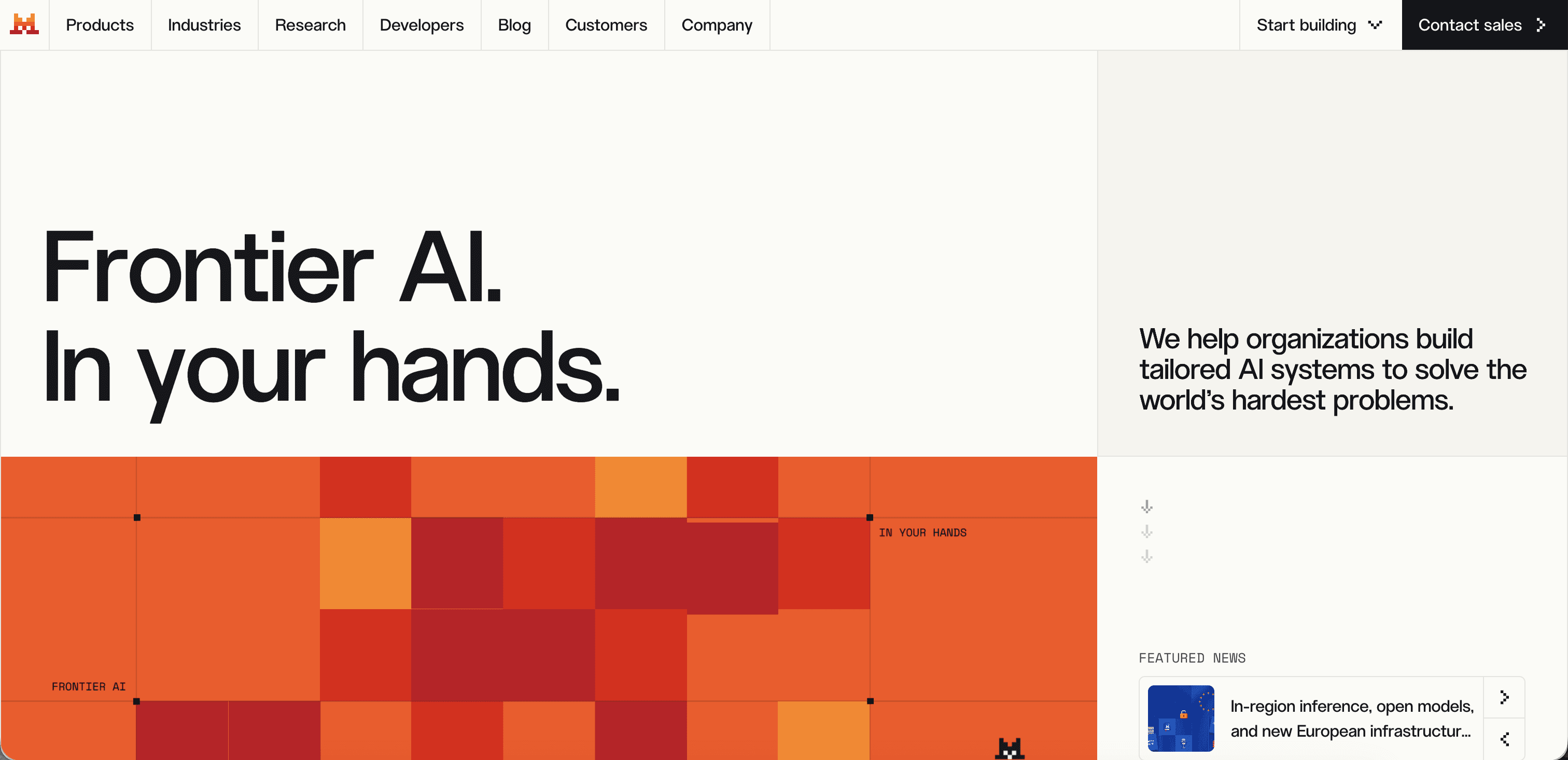
10. Mistral AI
Mistral takes a more technical approach to its brand.
Its website communicates AI infrastructure and models while maintaining a distinct visual identity that feels more like a technology company than a generic AI startup.
What to take away:
Technical credibility can become part of your visual brand.
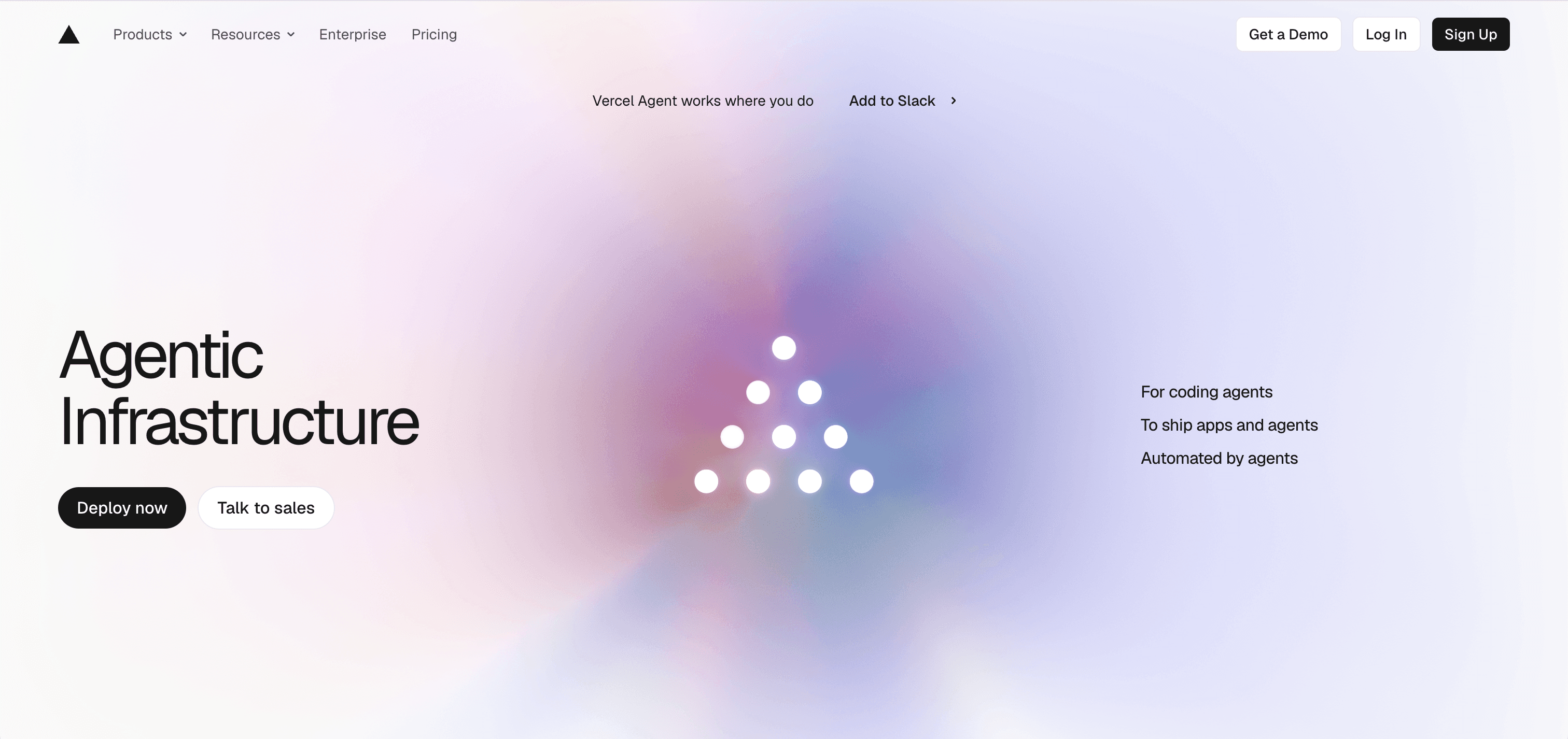
11. Vercel AI
Vercel's AI experiences demonstrate how developer-focused AI products can combine strong technical communication with polished web design.
The interface and website both reinforce a sense of speed, precision, and modern infrastructure.
What to take away:
Your marketing site should feel like an extension of the product.
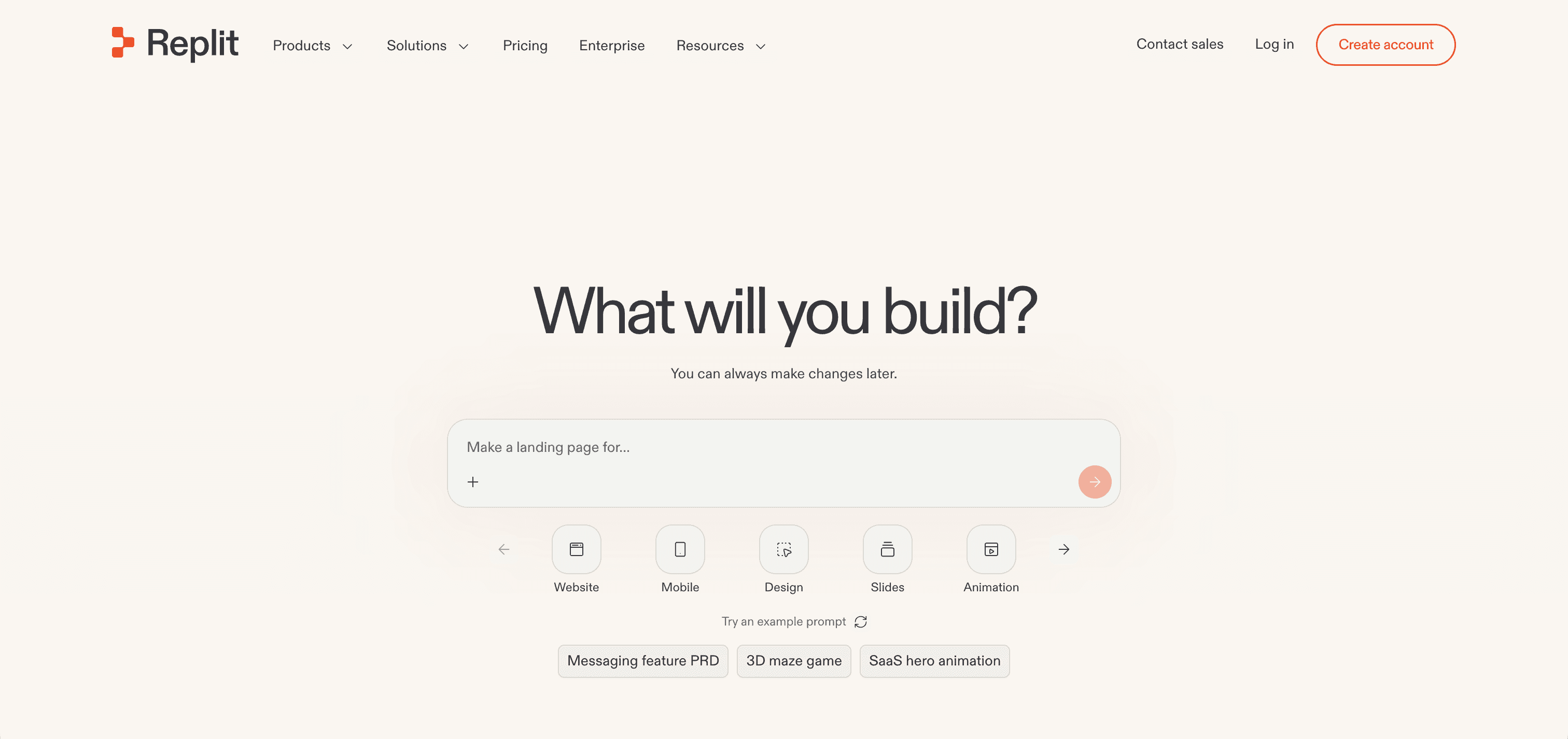
12. Replit
Replit combines AI, coding, and collaboration into an approachable product experience.
Its website uses visual examples and clear storytelling to make a technical product feel accessible to a much wider audience.
What to take away:
Good design can lower the barrier to entry for complex technology.
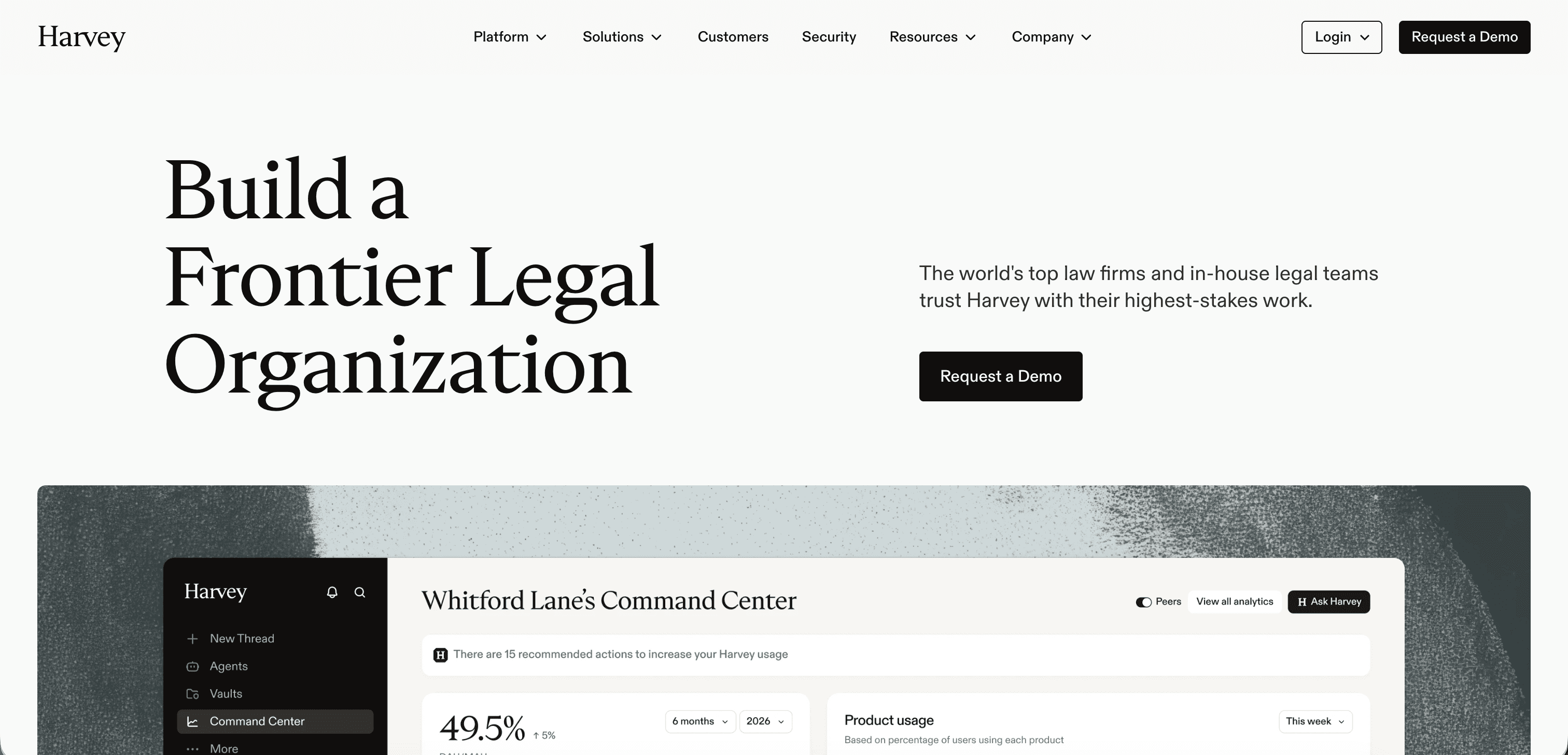
13. Harvey
Harvey presents AI through a professional services lens, focusing on how the technology can transform legal workflows.
Its approach demonstrates how AI products can build credibility by focusing on specific industries and use cases.
What to take away:
Specificity can make an AI product feel much more believable.
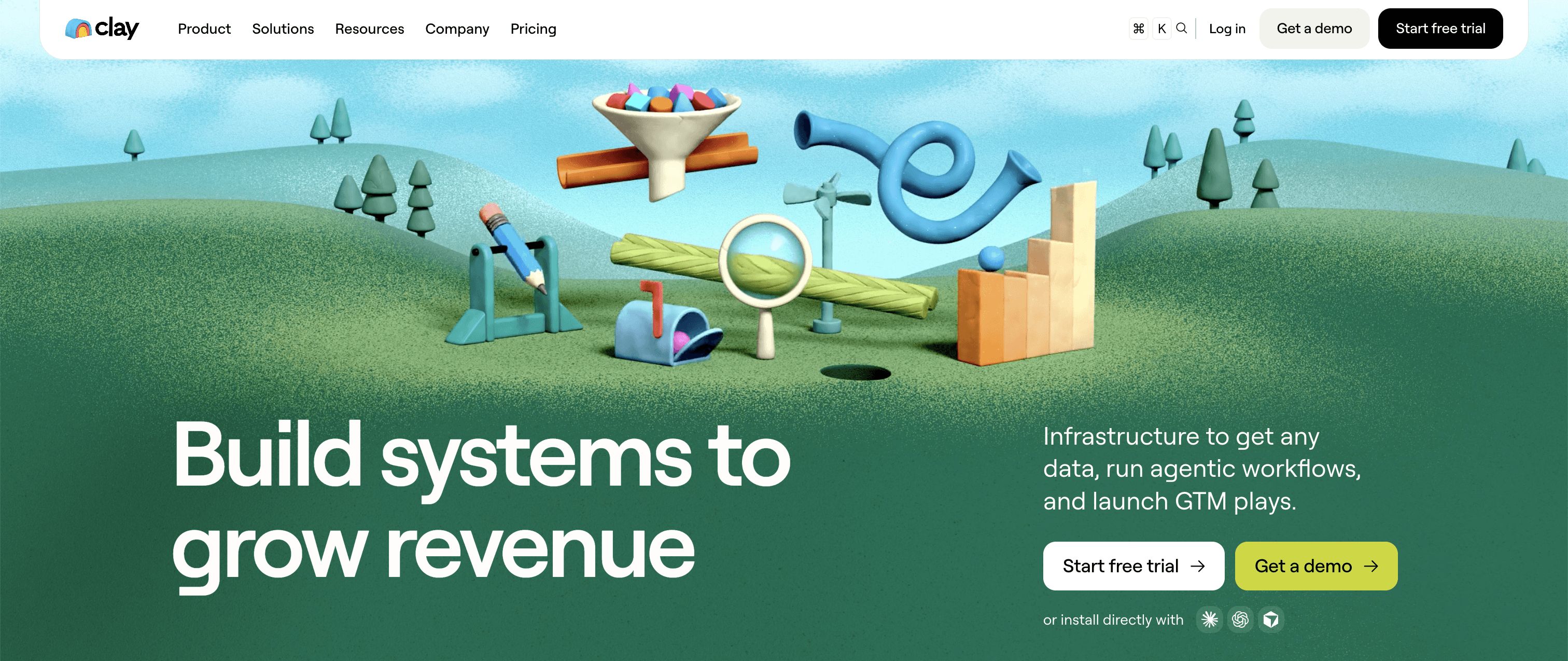
14. Clay
Clay is a great example of an AI-powered product with a visual identity that feels very different from traditional B2B software.
Bold visuals, motion, and expressive typography help the brand stand apart.
What to take away:
Don't let the B2B category dictate how your website should look.
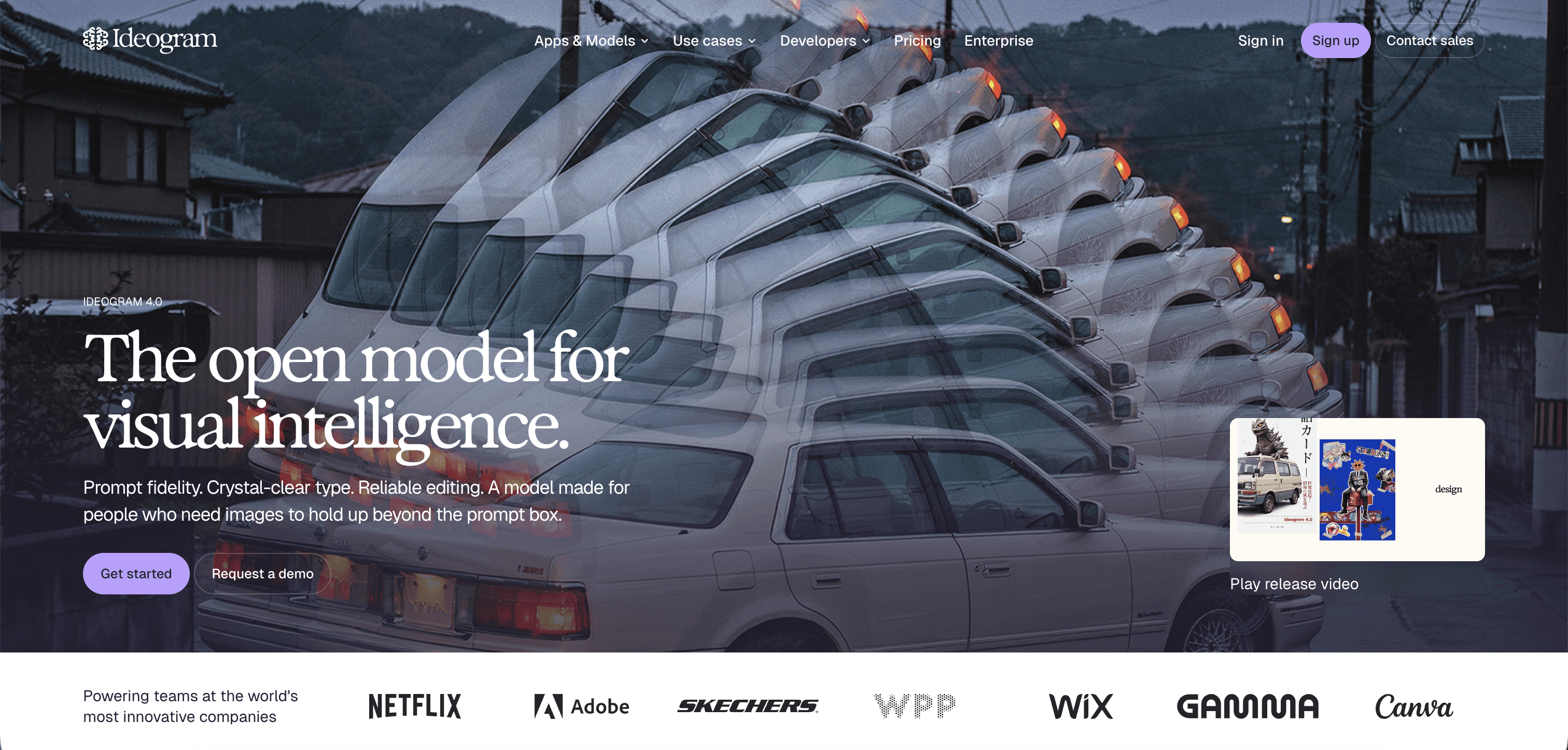
15. Ideogram
Ideogram puts visual creation at the center of its product experience.
The website demonstrates the technology through generated imagery, making the product's capabilities immediately visible.
What to take away:
For generative AI, examples are often more persuasive than explanations.
What the best AI websites have in common
Looking across these websites, one thing becomes obvious:
The best AI websites don't spend all their time talking about AI.
They show what AI allows people to create, discover, automate, solve, or accomplish.
1. They show the product
The best AI websites don't hide their interfaces behind vague marketing copy.
2. They focus on outcomes
Instead of explaining the technology first, they communicate what users can actually achieve.
3. They have personality
AI is an increasingly crowded category. A distinctive visual identity makes a product easier to remember.
4. They use motion purposefully
Animation can help demonstrate AI processes, workflows, generation, and transformation.
5. They make complexity feel simple
The technology might be incredibly sophisticated, but the website doesn't need to be.
Final thoughts
AI websites are moving beyond the predictable futuristic aesthetic.
We're seeing more editorial layouts, expressive typography, product-led storytelling, playful interactions, and brands that feel genuinely human.
The strongest examples aren't necessarily the websites with the most impressive effects.
They're the ones that make you understand why the product matters.


